
Fuller Hair with PRP Hair Restoration in Seattle
FOREVER YOUNG AESTHETICS
FOREVER YOUNG AESTHETICS
Fuller Hair with PRP Hair Restoration in Seattle
Exploring hair restoration services in Seattle or wondering about the cost of hair restoration, we are here to guide you with care tailored to your unique needs.
Helping You Feel Confident With Healthier Hair
At Forever Young Aesthetics, your treatment is handled by a skilled team experienced in hair restoration treatment in Seattle, where clients trust for comfortable sessions and lasting results.
Why PRP Hair Restoration Could Be Right for You?
Strengthen Weak Hair Follicles
PRP nourishes and revitalizes existing hair follicles, helping them grow thicker, healthier strands. By utilizing your own blood, we spin and separate the layers using platelet‑rich plasma (PRP) or the top layer to place where your body needs it.
Reduce Excessive Shedding
This treatment helps slow down hair loss, giving your scalp a chance to recover and maintain more density.
Improve Scalp Health Naturally
By using your body’s growth factors, PRP increases blood flow and nutrient delivery to the scalp.
Safe for All Hair Types and Ages
PRP works well for both men and women, if your hair loss is recent or gradual over time.
Non-Surgical Option with Lasting Benefits
Unlike hair transplants, PRP requires no incisions or long recovery, and results continue improving over months.
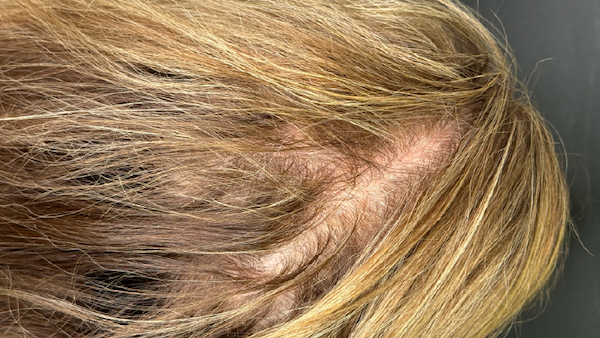
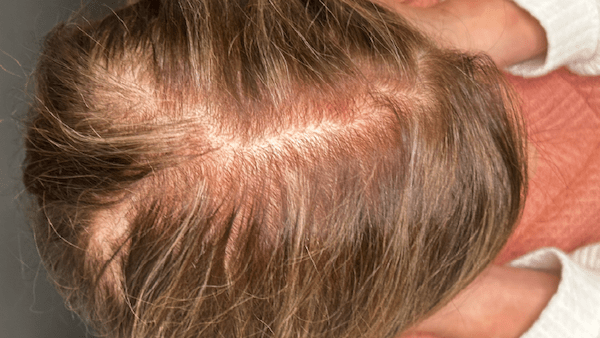
Hair Restoration + PRP Before & After
CROWN
AFTER
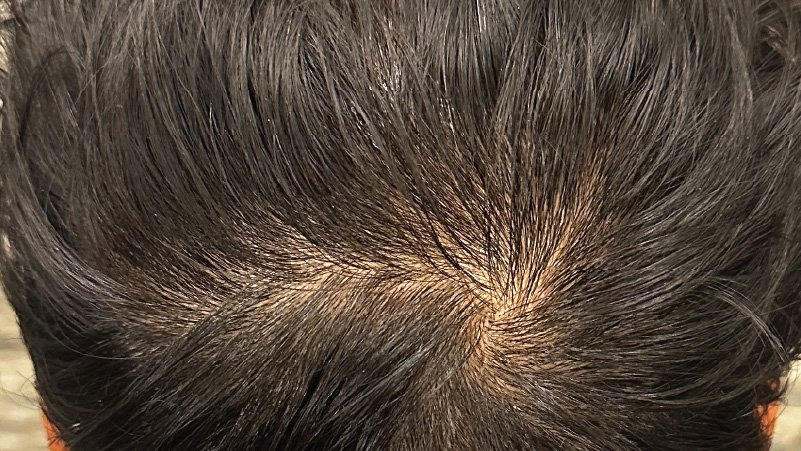
BEFORE
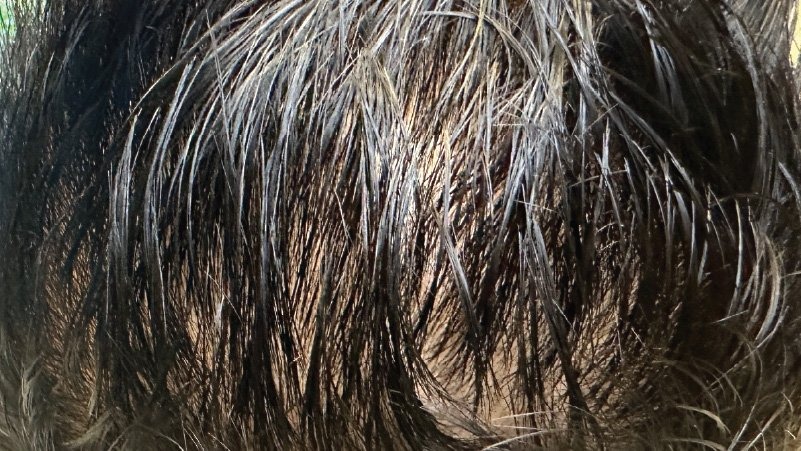
HAIRLINE
AFTER
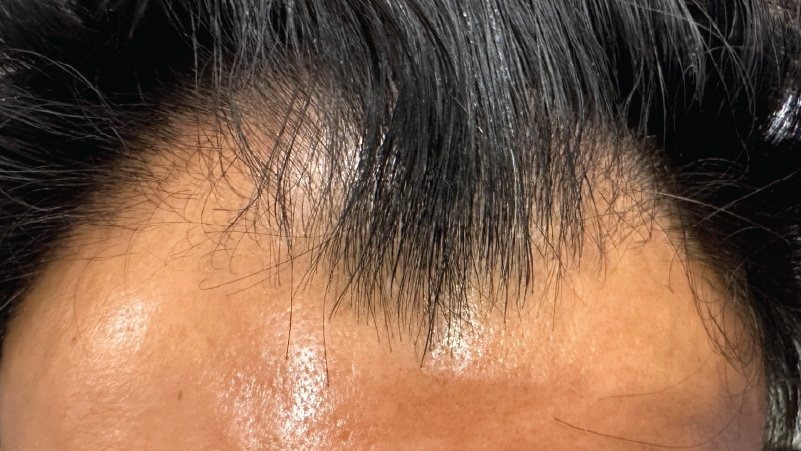
BEFORE
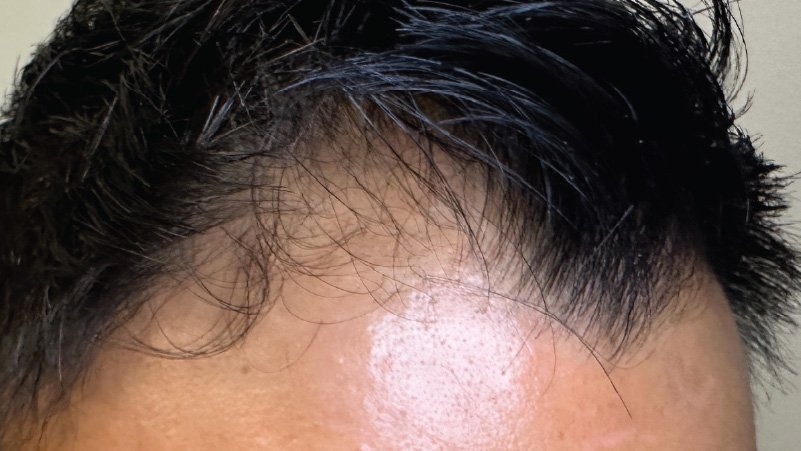
HAIRLINE
AFTER
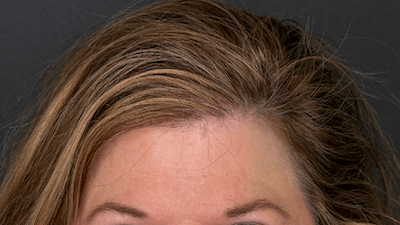
BEFORE
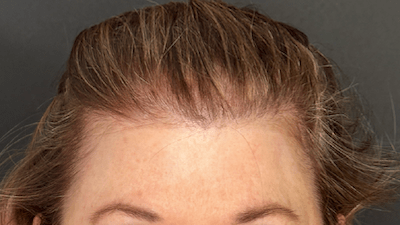
CROWN
AFTER
BEFORE
HAIRLINE
AFTER
BEFORE
CROWN
AFTER
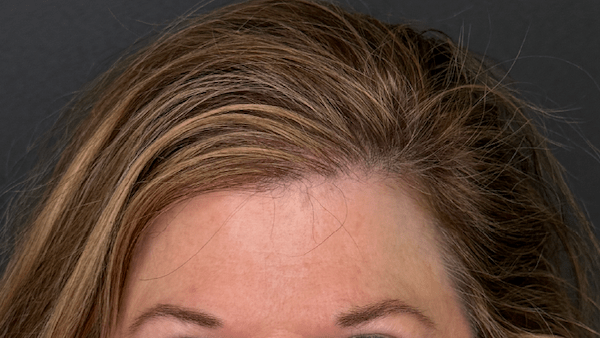
BEFORE
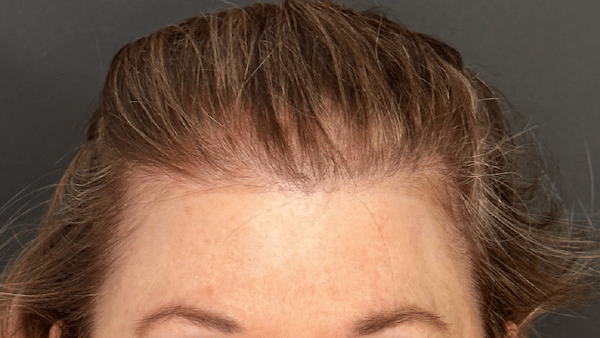
HAIRLINE
AFTER
BEFORE
Explore Our Services
Dermal Filler
Lip Filler
Facial Filler
Cheek Filler
Forever Young Aesthetics: Hair Restoration with an Artistic Touch
Either you are noticing thinning hair or want to strengthen weak follicles, PRP can help you regain fuller, healthier hair without surgery. As the top specialist of PRP hair restoration in Seattle, we are here to support your confidence every step of the way.
FAQs
What is PRP hair restoration and how does it work?
Who is a good candidate for hair restoration in Seattle?
How many PRP sessions will I need?
When will I see results from PRP hair restoration?
HAIR +PRP FAQ AND PRODUCT INFORMATION
Hair loss is a widespread condition that affects millions of individuals, both men and women. While it is often associated with aging, hair loss can happen at any age and may be influenced by various factors. Platelet-rich plasma (PRP) therapy is a natural treatment that utilizes growth factors derived from your own blood to slow hair loss and thinning. The PRP serum is injected into the scalp to stimulate hair follicles, promoting thicker, fuller hair. Since your own cells are used, there are generally no side effects from the injection itself. The body treats the injected cells as it would a wound, triggering tissue repair, enhancing blood flow, and supporting hair regrowth.
EXPECTED RESULTS OF PRP HAIR RESTORATION TREATMENT
Results vary, and ongoing research continues to document the effectiveness and longevity of PRP therapy for hair restoration. Typically, three treatments are needed to promote and maintain hair growth. An initial course of 3-6 treatments is recommended, followed by maintenance sessions every six months. Because PRP works with the natural hair growth cycle, results may begin to show about six months after your final treatment.
HOW PRP WORKS
PRP is rich in growth factors, which promote tissue repair and stimulate the production of new cells. When PRP is injected into the scalp, it triggers a mild inflammatory response that activates the body’s natural healing process. The platelets release growth factors that attract stem cells, encouraging tissue repair and collagen production. This process strengthens and improves the scalp tissue, resulting in healthier hair growth. A typical PRP procedure takes 45 minutes to an hour, with three initial sessions scheduled a month apart, followed by annual maintenance treatments.
MECHANISMS OF PRP FOR HAIR RESTORATION
- Growth Factors: PRP contains several growth factors, including platelet-derived growth factor (PDGF) and vascular endothelial growth factor (VEGF), which promote cell growth and tissue repair.
- Extracellular Matrix Production: PRP stimulates the production of matrix components like proteoglycans, which support tissue structure.
- Angiogenesis: PRP promotes the formation of new blood vessels, ensuring proper oxygen and nutrient delivery to the tissue.
- Anti-Inflammatory Effects: Platelets release anti-inflammatory agents, which help reduce inflammation and discomfort at the treatment site.
- Adhesion Molecules: Platelets also release adhesion molecules, which recruit additional cells to aid in tissue repair and new blood vessel formation.
PRP CENTRIFUGE AND KIT SYSTEM
We use the EmCyte Centrifuge with PurePRP® Kits, an advanced system for regenerative therapy. It delivers the highest concentration of regenerative cells by selectively removing wound-inhibiting factors. This results in a more potent PRP product, containing up to 9 billion deliverable platelets—significantly more than typical systems. This concentrated PRP reduces inflammation, accelerates healing, and promotes tissue regeneration while removing red blood cells, which can cause pain and inflammation.
HOW PRP IS ADMINISTERED
Blood is drawn and placed in a centrifuge to separate platelets from other blood components. The concentrated platelets and growth factors are then injected into the scalp using a tiny needle or applied with microneedling. The procedure, from blood draw to injection, typically lasts 30-90 minutes.
COMMON CAUSES OF HAIR LOSS
- Genetics (Androgenetic Alopecia): The most common cause of hair loss, affecting both men and women.
- Hormonal Changes: Events like pregnancy, menopause, or thyroid imbalances can lead to temporary or permanent hair loss.
- Medical Conditions: Conditions like alopecia areata, scalp infections, or scarring alopecias may cause hair loss.
- Medications and Treatments: Certain medications, chemotherapy, and radiation therapy can lead to hair loss.
- Nutritional Deficiencies: Deficiencies in iron, protein, vitamins D and B12 can contribute to thinning hair.
- Physical or Emotional Stress: Stress can trigger telogen effluvium, where more hair enters the resting phase and sheds.
- Hairstyling and Treatments: Harsh styling and tight hairstyles can lead to traction alopecia, where hair is pulled out from the scalp.
TYPES OF HAIR LOSS
- Androgenetic Alopecia (Pattern Baldness): Gradual thinning or receding hairline.
- Alopecia Areata: Sudden, patchy hair loss.
- Telogen Effluvium: Temporary diffuse thinning.
- Traction Alopecia: Hair loss caused by repeated tension on the hair follicles.
- Cicatricial Alopecia: Scarring-related permanent hair loss.
OTHER TREATMENT OPTIONS
- Medications: Minoxidil (Rogaine®) and Finasteride (Propecia®) are commonly used for hair restoration.
- Surgical Options: Hair transplants may also be considered in some cases.
SAFETY AND APPLICATIONS
PRP has been proven to be safe for over 20 years and is used in various medical fields, including orthopedics, sports medicine, and aesthetics. In aesthetics, PRP has been applied to treat fine lines, scars, and now, hair restoration. It is safe for nearly all skin tones as it uses the patient’s own enriched plasma.
BENEFITS OF PRP
- Natural treatment using your own cells.
- Low risk of allergic reactions.
- Enhances healing, improves skin texture, and promotes hair growth.
- Minimal downtime with natural-looking results.
CONTRAINDICATIONS
PRP may not be suitable for individuals with:
- Acute or chronic infections
- Skin diseases
- Cancer or recent chemotherapy
- Severe systemic disorders
- Abnormal platelet function
- Liver conditions
- Those on anticoagulation therapy
RISKS AND COMPLICATIONS
Though PRP is generally safe, potential side effects include:
- Pain, bruising, or bleeding at the injection site
- Temporary redness or swelling
- Allergic reactions
- Nerve or muscle injury
- Itching or dizziness
POST-TREATMENT INSTRUCTIONS
Immediately After Treatment:
- Avoid touching or rubbing the scalp to prevent infection.
- Take a warm shower the night of the procedure to promote blood flow (no hot water).
- Avoid hair products for 48 hours and anti-inflammatory medications for 1 week.
- Sleep on a clean pillowcase
- If you wear headwear be sure it is clean.
First 24-48 Hours:
- Avoid strenuous activities and limit sun exposure.
First Week:
- Use gentle shampoos and avoid harsh chemicals.
- Stay hydrated and eat a nutrient-rich diet.
After 1-2 Weeks:
- Resume normal hair care and light scalp massage.
Ongoing Care:
- Continue with your treatment plan and healthy lifestyle choices.
Common Side Effects (up to 2 weeks):
- Red, tender scalp
- Itchiness
- Tiny crusty scabs