
Aesthetic Services
FOREVER YOUNG AESTHETICS
FOREVER YOUNG AESTHETICS
Aesthetic Services
FOREVER YOUNG
Aesthetic Services
Look Refreshed and Reignite Your Youth
Forever Young Aesthetics is your home for beauty and med spa services, that improve your confidence and overall well-being. We specialize in neuromodulator injections, dermal filler injections and Kybella fat dissolving treatment. Wellness services include weight loss medication management, IV hydration, energy injections (Vitamin B12), pain relief injections (trigger point), and eye enhancement products.
We are the ONLY med spa in West Seattle open both Saturday and Sunday for aesthetic injections
Botox Injections
BOTOX / DYSPORT / JEUVEAU / DAXXIFY
LEARN MORE ABOUT BOTOX
Dermal Fillers
JUVEDERM / RESTYLANE / RHA / SCULPTRA
LEARN MORE ABOUT FILLERS
Microneedling
SKINPEN / PRP
LEARN ABOUT MICRONEEDLING
Eyes & Skincare
LATISSE / UPNEEQ / MODERE / SKIN BETTER
LEARN MORE ABOUT SKINCARE
Hair Restoration
with platelet rich plasma PRP
LEARN ABOUT HAIR RESTORATION
Health & Wellness
B12 / TRIGGER POINT / IV HYDRATION
LEARN ABOUT WELLNESS
Cosmetic Injections
Cosmetic Injectables are aN easy, effective, affordable, and a non-invasive alternative to plastic surgery.
During the normal aging process, wrinkles are caused by the regular and repetitive contraction of facial muscles, below the surface of the skin. With Cosmetic Injectables, you can relax the facial muscles, plump the skin, replace collagen and more — lines and wrinkles are reduced, resulting in a natural, youthful appearance. Every treatment is offered following a virtual or in person consultation to provide a personalized treatment plan.

Botox Injections
BOTOX / DYSPORT / JEUVEAU / DAXXIFY
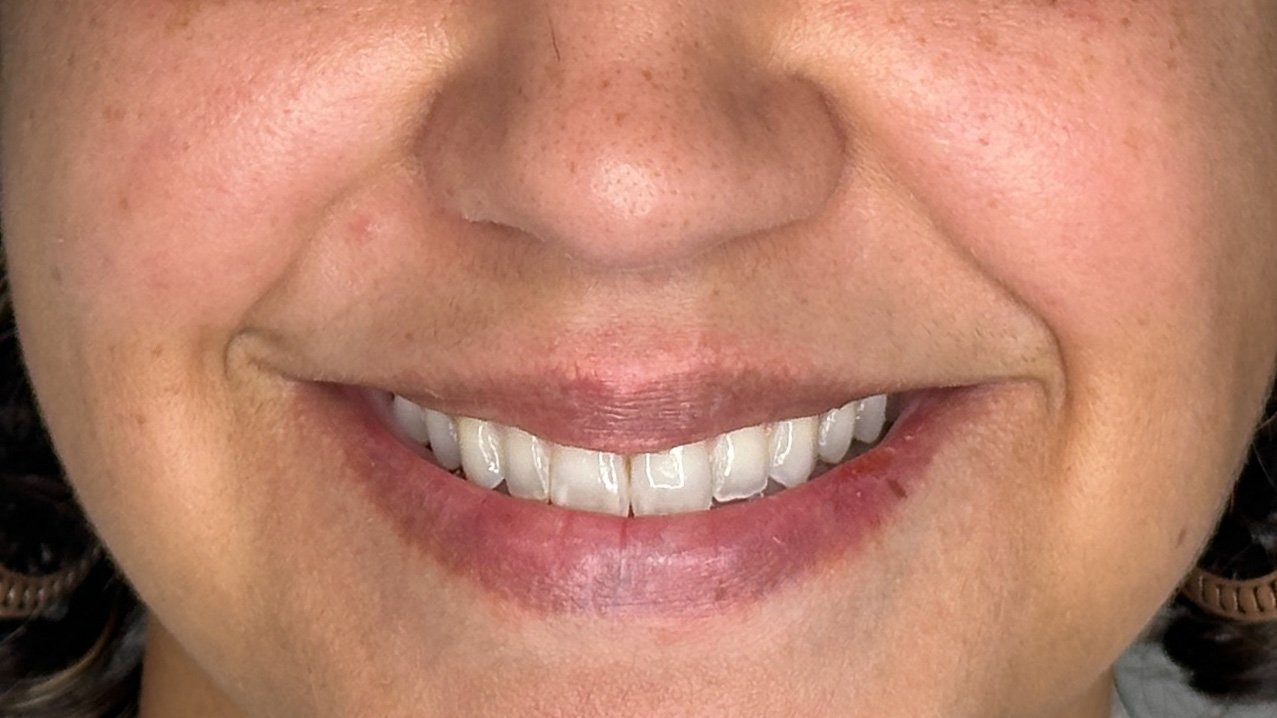
Botox Cosmetic® and other Tox injections relax the facial muscles, resulting in a reduction of lines and wrinkles. Used to both correct lines and prevent new lines from forming, resulting in a natural, youthful appearance.
There are many areas that Tox injections can treat. Some of the more popular areas treated include Forehead, Frown lines (11’s), Crow’s Feet, Face Slimming/Teeth Grinding/TMJ/Masseter Reduction, Gummy Smile Correction and Lip Flips, , Excessive Sweating, Neck bands, Trap Tox, Migraine treatment, and so much more.
BOTOX LIP FLIP
AFTER

BEFORE
BOTOX FROWN LINES
AFTER
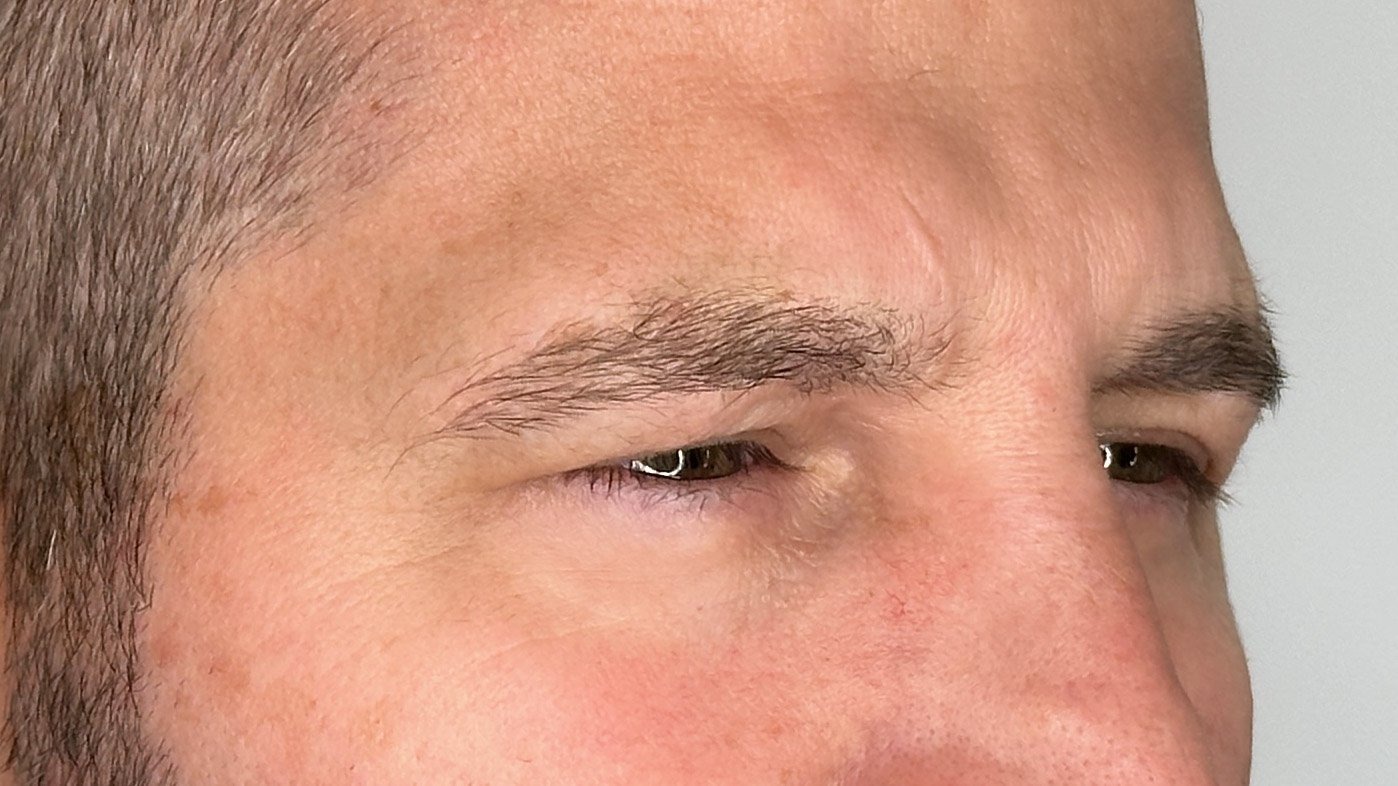
BEFORE

BOTOX MASSETERS
AFTER
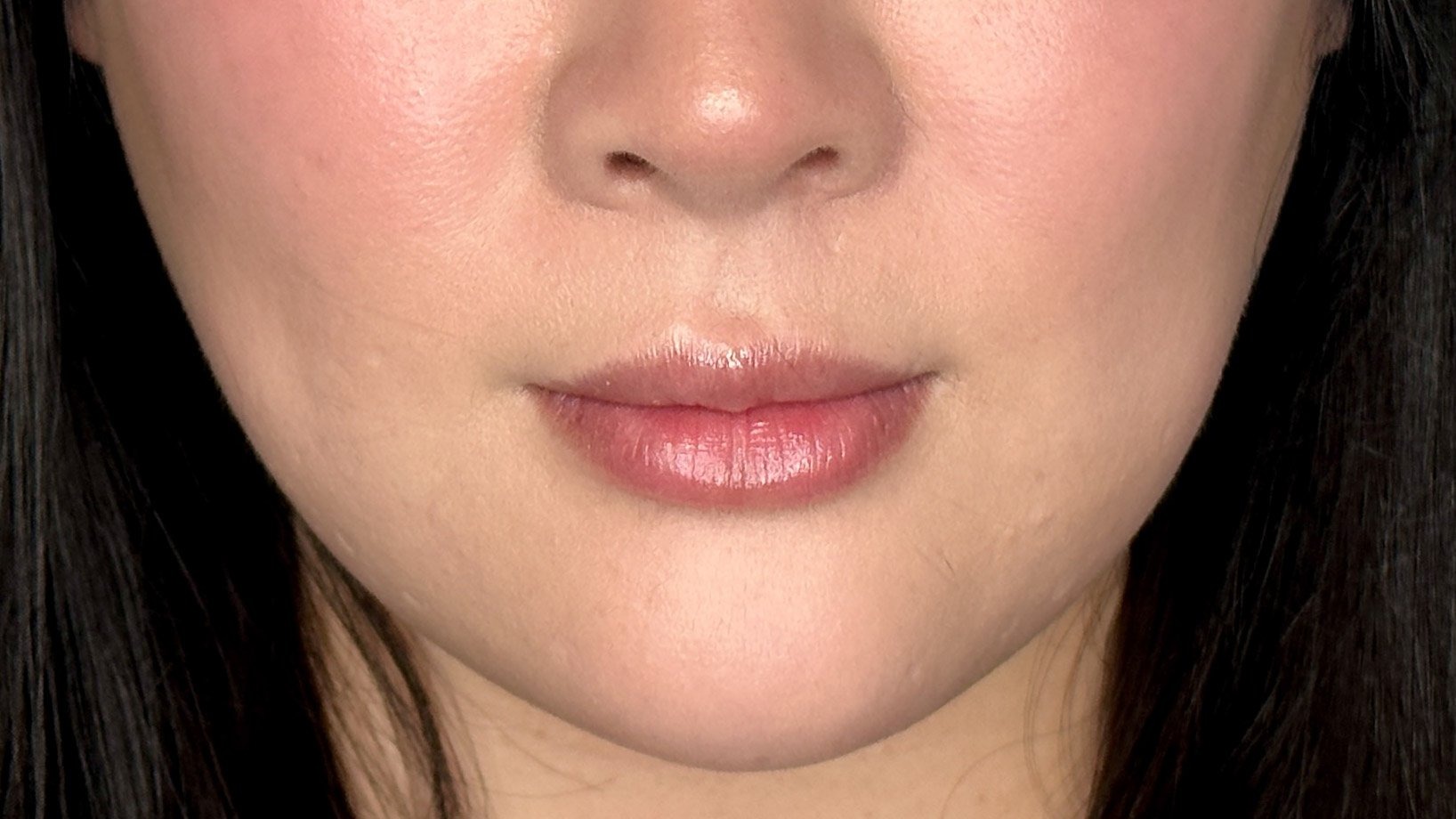
BEFORE

BOTOX CROW’S FEET
AFTER
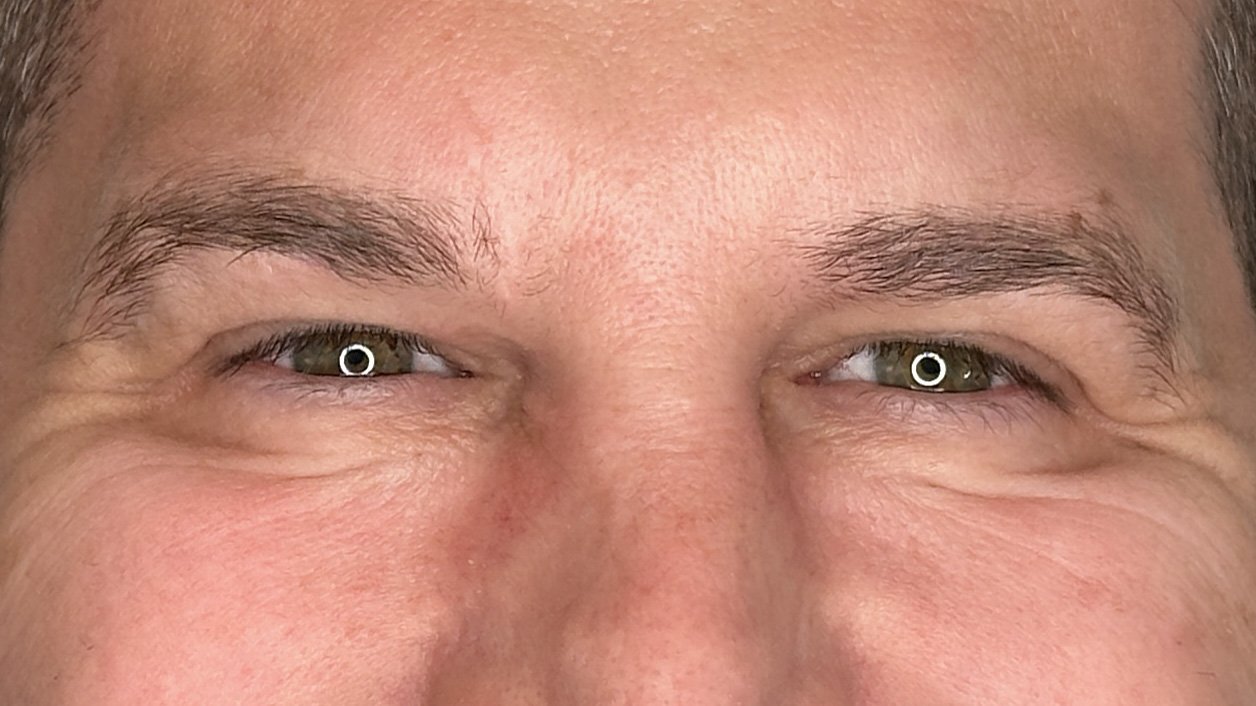
BEFORE

BOTOX LIP FLIP
AFTER
BEFORE
BOTOX FROWN LINES
AFTER
BEFORE
FOREHEAD LINES
AFTER

BEFORE
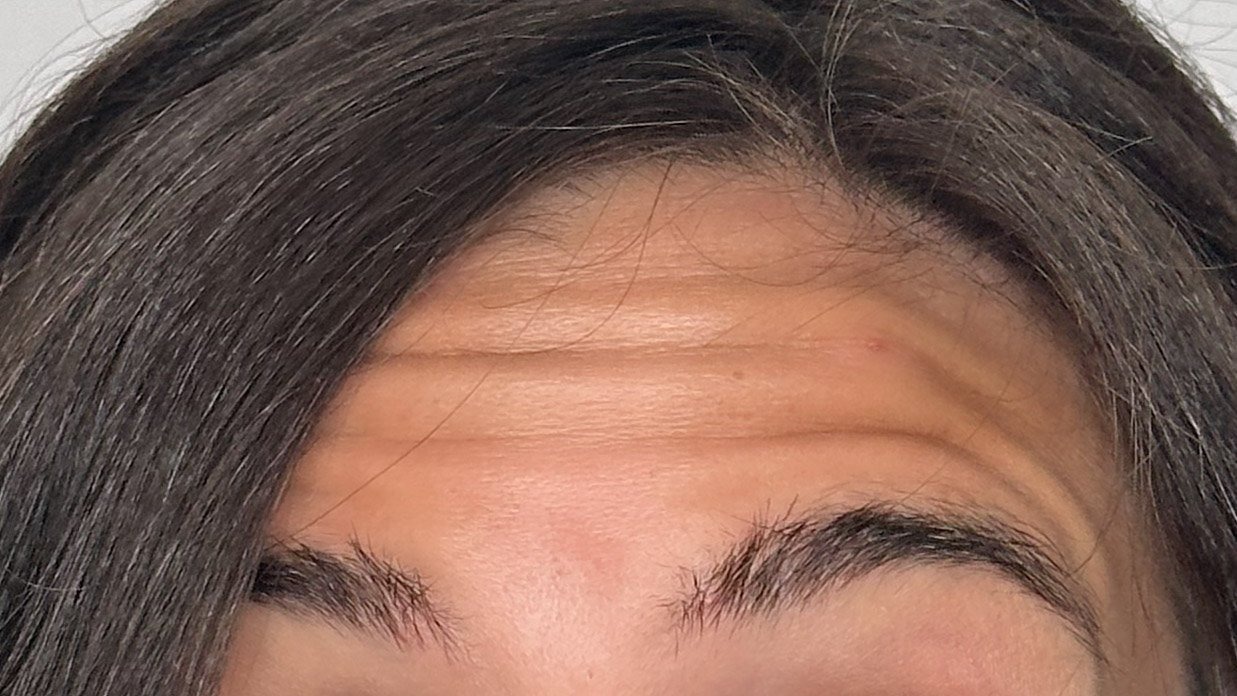
BOTOX CROW’S FEET
AFTER
BEFORE
BOTOX MASSETERS
AFTER
BEFORE
BOTOX FAQ AND PRODUCT INFORMATION
WHAT IS BOTOX?
Botox or neuromodulators are neurotoxins and a form of botulinum toxin. This is found in the bacteria Clostridium botulinum. Although this may sound very scary and dangerous this medication has been used since the 1980’s mainly in the fields of neurology and ophthalmology. Drs. Jean and Alastair Carruther’s in Vancouver, Canada accidentally discovered cosmetic properties of Botox in the 1980’s and changed the face of beauty forever. While treating patients for eye muscle spasms (blepharospasm) with a diluted solution of botulinum toxin her patients not only noticed spasms resolve but that the wrinkles in those areas of the forehead disappeared. This husband (dermatologist) and wife (opthalmologist) team would later prove i trials and studies the safety and efficacy of this treatment to the dermatology field. Unfortunately, they did not patent the product which would later become a multi-billion dollar industry. By the early 1990’s Botox was widely accepted.
WHAT ARE THE MAIN AREAS THAT CAN BE TREATED?
WHAT ARE THE AVERAGE PRICES?
$250 on the low end and up to $600+ on the high end. This is dependent on how deep or severe your lines or wrinkles are as well as the brand used. A unit is priced between $12 and $18 which and most people require 30 units.
WHAT ARE THE SIMILARITIES OF ALL THE BRANDS?
Botox, Dysport, and Xeomin all have the same ingredient which is Botulinum type A.
WHAT ARE THE DIFFERENCES OF ALL THE BRANDS?
In general the three are all very similar and have great results. There are minor differences.
Botox is the most well known and the first option. Similar to how Kleenex is the first and preferred term for facial tissue there are many many other great products that perform the same purpose. Botox (onabotulinumtoxinA) is the first injectable to receive US FDA approval in 2002 and most popular. Botox is the best option for deeper, muscle related wrinkles as it stays isolated and spreads less than Dysport. On average Botox starts working later around 5-7 days and lasts for about 4-6 months. Requires the least number of units to treat. Deep forehead wrinkles and crow’s feet typically require 10 to 15 units to be effective, and frown lines can require between 20 and 30 units. Besides cosmetics Botox can also be used to treat neck spasms, excessive sweating, lazy eyes, overactive bladders, and migraines.
Dysport (onabotulinumtoxinA) First used in Europe then approved by the US FDA in 2009. Dysport is the best option for treating deep glabellar lines (11’s or frown lines) or forehead lines. On average Dysport starts working faster around 24-48 hours and lasts for about 3-4 months and possibly longer than Botox. Dysport uses a different system for accounting the quantity and is not equal to Botox unit for unit. In general, Dyport typically requires 3 times more product than Botox, making it a more expensive option even though the unit cost may seem less. Dysport injection is $4 per unit. This is the ideal product to use for those who have used Botox and stop seeing results since there is more spread of Dysport. Repeated sun exposure can drastically shorten the time you can enjoy your visible results and will require repeat treatments more often.
Xeomin (incobotulinumtoxin A) is considered the “lighter” of the three. Xeomin does not have an added protein therefore does not require refrigeration. Xeomin may last slightly shorter than Botox/Dysport. For those with allergies eliminating this protein can reduce the risks of a reaction. This is the ideal choice for treating frown lines. In addition, this can be used to treat upper lip spasticity, cervical dystonia, blepharospasm, and more.
DAXXIFY® (daxibotulinumtoxinA-Ianm) injection is an acetylcholine release inhibitor and neuromuscular blocking agent indicated for the temporary improvement in the appearance of moderate to severe frown lines (glabellar lines) associated with corrugator and/or procerus muscle activity in adult patients. This product is manufactured in California, USA. The dosing is different than Botox® but when we evaluate and treat you we will use Botox® equivalent units or dosing in explanations to avoid confusion.
Jeuveau® (prabotulinumtoxinA-xvfs) is a prescription medicine that is injected into muscles and used in adults for a short period of time (temporary) to improve the look of moderate to severe frown lines between the eyebrows (glabellar lines). This uses a slightly different botulinum toxin to Botox® and has equal effects. This product is manufactured in South Korea.
WHAT ARE THE POTENTIAL SIDE EFFECTS?
The most common concern is eyebrow or eyelid droop. If this occurs eye drops can be prescribed.
The other possibilities are pain and/or swelling at the injection site, headaches, flu-like symptoms, slouched smiles, drooling, nausea, pain in the injection site, upper respiratory tract infections, irritation in the nose and throat, and dry eyes.
Dermal Filler Injections
JUVEDERM / RESTYLANE / RHA / SCULPTRA
Dermal fillers are injected into the skin to create volume and smooth wrinkles, providing a fuller shape. These injectables are a great non-surgical tool to rejuvenate and contour your face. Popular treatment areas for dermal filler injectables include the jaw, cheeks, marionette lines, chin and lips, with results lasting up to 18 months.
cheek filler
AFTER
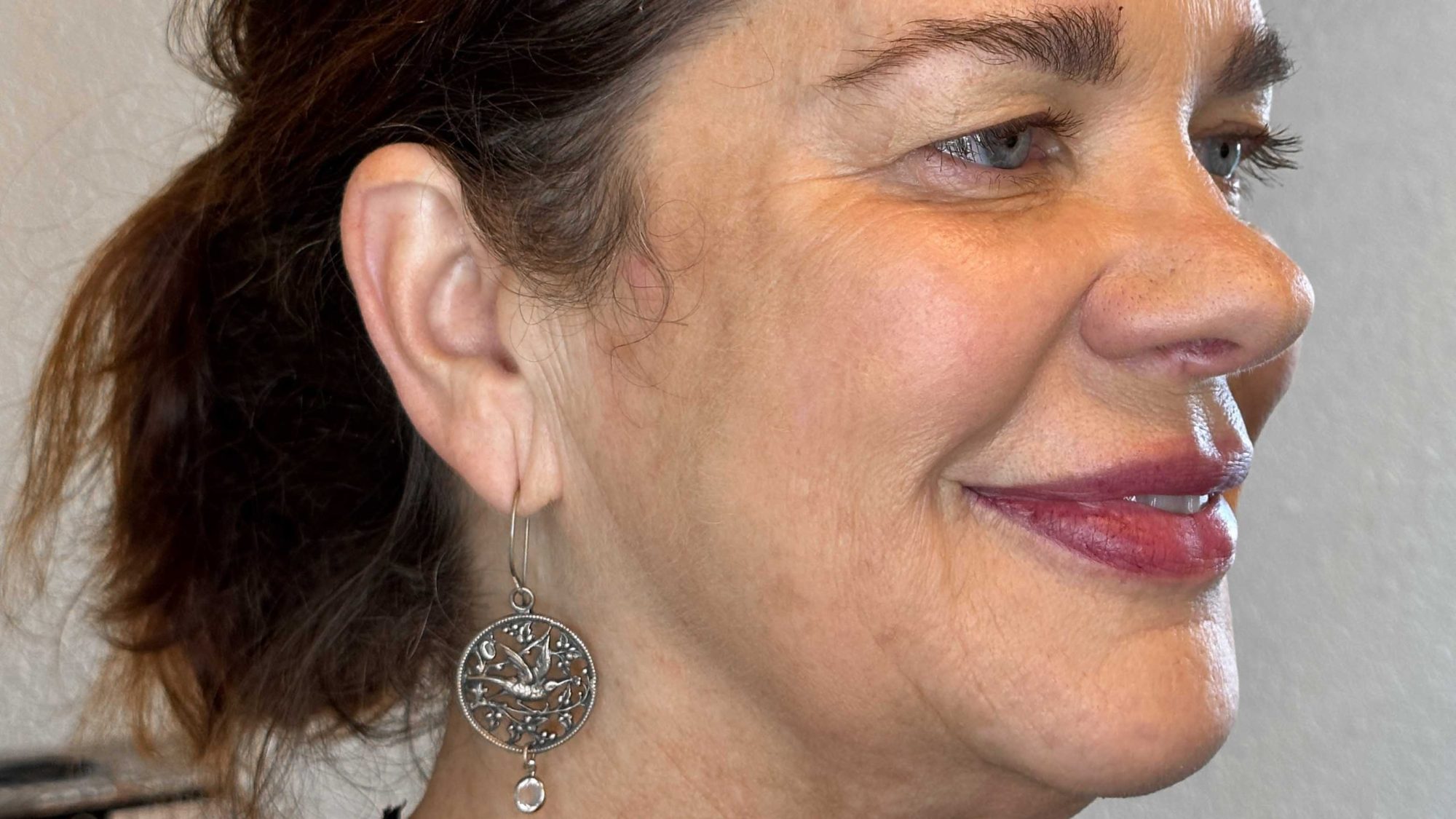
BEFORE

lip correction
AFTER

BEFORE

CHIN FILLER
AFTER
BEFORE
LIP FILLER
AFTER

BEFORE

FACIAL BALANCE
AFTER

BEFORE

cheek filler
AFTER
BEFORE
lip correction FILLER
AFTER
BEFORE
CHIN FILLER
AFTER
BEFORE
LIP FILLER
AFTER
BEFORE
FACIAL BALANCE
AFTER
BEFORE
FAQ AND PRODUCT INFORMATION
WHAT IS A DERMAL FILLER?
The most typical product for dermal filler is a colorless hyaluronic acid that is designed to be injected into facial tissue to smooth wrinkles and plump folds. Hyaluronic acid is found naturally in all living organisms, and has the same chemical structure in all species and tissues. In the skin, hyaluronic acid binds water to add volume and pliability. As we age, our skin loses its ability to produce hyaluronic acid.
WHY GET A DERMAL FILLER INJECTION?
Dermal filler is injected into the skin to create volume thereby smoothing wrinkles and providing a fuller shape. These are non-permanent, with results lasting between 3 and 18 months. This is a great non-surgical tool to rejuvenate and contour your face.
HOW LONG DO DERMAL FILLERS LAST?
Results typically last 6-12 months following the injection and therefore will need to be repeated on a regular basis to maintain the effects.
WHAT AREAS CAN BE TREATED WITH DERMAL FILLER?
- Cheeks
- Under eyes
- Nose
- Chin
- Lips
- Jaw line
- Jowels
- Marionette lines
- Nasolabial folds
WHAT ARE THE AVERAGE PRICES?
$600-$800 for a syringe or 1 ml is the typical cost.
WHO IS NOT A CANDIDATE FOR THIS INJECTION?
- Active cold sore or skin infection in the area being treated
- Allergies to lidocaine a numbing agent
- Bleeding disorder or on medications (e.g. aspirin, warfarin/coumadin) that increase risk or make you prone to bleeding
- Pregnant/breastfeeding
- History of scarring or pigmentation disorder
- Autoimmune disorders such as Rheumatoid Arthritis and Lupus
- Permanent implant located in area to be injected
- Using immunosuppressive therapy
WHAT IS THE MOST SERIOUS SIDE EFFECT?
Vascular occlusion:
This small risk is when a blood vessel is inadvertently injected and could result in serious complications due to the blockage of blood flow. The surrounding skin and tissue will start to die without adequate blood supply. It may have permanent vision abnormalities, blindness, stroke, temporary scabs, or permanent scarring of the skin.
The signs of vascular occlusion which include immediate, severe pain and a change in skin color, which can look like white spots or blotches. Some bruising and redness is normal but any intense pain or severe bruising is a concern. If this occurs during the procedure we will need to stop. We will then use a medication to dissolve the filler immediately as you may have a vascular occlusion. Each person has a slightly different anatomy and this blood vessel should not be near the location of our injection. Unfortunately, the filler treatment would need to be stopped and you could not be injected again. You would still be charged for the treatment.
WHAT ARE THE POTENTIAL SIDE EFFECTS?
- Swelling/Bruising/Redness: Most people have swelling for the first several days and up to a few weeks. You can use Arnica tablets or gel as well as a cold pack or compress to treat this swelling. You may need to sleep with your head elevated as long as there is swelling
- Lumps/Bumps/Hardening: This generally softens over time but can take several months
- Migration: Dermal fillers may move from the place where it was injected
- Scabbing/Sloughing/Scarring: In less than 1% of treated patients, sloughing of the tissue at the treatment site has been noted
HOW LONG BEFORE I SEE THE FULL BENEFITS?
Average 4-6 weeks to see the final level of correction. After 2 weeks you may need additional dermal filler for injection to reach a higher level of correction. I agree to communicate with my practitioner for evaluation and/or additional correction if needed.
Biostimulator Injections
SCULPTRA
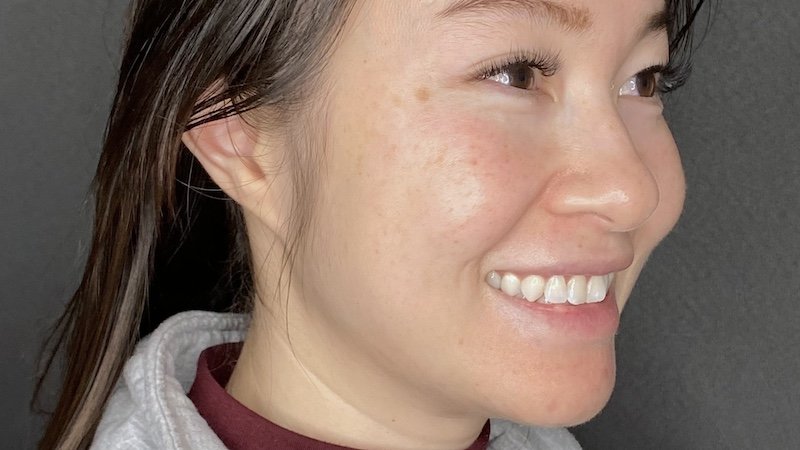
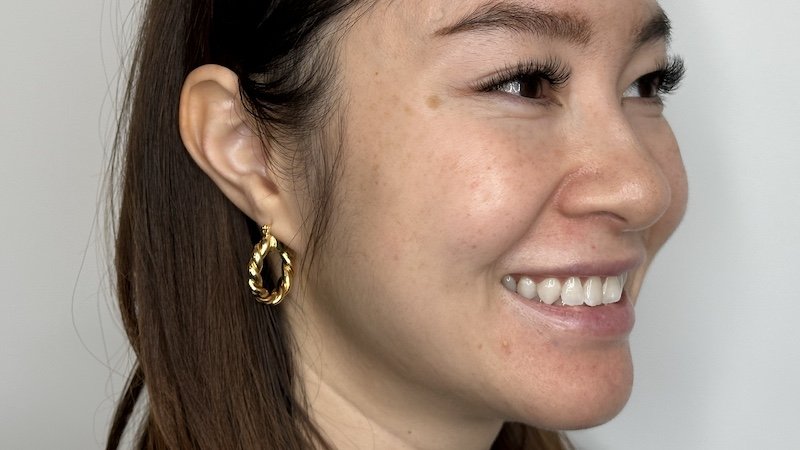
Sculptra® is an injectable treatment to correct shallow to deep body contour deficiencies over time. Common areas treated are fine lines and wrinkles in the cheek, nasolabial fold, marionette lines, chin, neck, chest, buttocks, and hip dips. This treatment will help your skin build more collagen resulting in a firmer, smoother, glowing, and more healthy youthful appearance. This treatment can last up to 2 years with high levels of patient satisfaction.
CHEEKS AND JAW
AFTER
BEFORE
CHEEKS AND JAW
AFTER

BEFORE

CHEEKS AND JAW
AFTER
BEFORE
CHEEKS AND JAW
AFTER
BEFORE
FAQ AND PRODUCT INFORMATION
WHAT IS A BIOSTIMULATOR AND SCULPTRA?
Sculptra® is an injectable of microparticles containing poly-L-lactic acid (PLLA) and is indicated for use in people with healthy immune systems for the correction of shallow to deep nasolabial fold contour deficiencies, fine lines and wrinkles in the cheek region, and other facial wrinkles.
Sculptra helps replace the lost collagen in the skin to help to create a subtle, refined correction of wrinkles and helps stimulate gradual restoration of the collagen framework. Sculptra is eventually broken down by the body and lasts up to 2 years with high levels of patient satisfaction.
WHAT ARE OPTIMAL AREAS THAT CAN BE TREATED?
- Cheek Wrinkles
- Nasolabial Folds
- Pyriform Fossa
- Marionette Lines
- Pre-Auricular Wrinkles
- Submalar Wrinkles
- Chin Wrinkles
- Neck Wrinkles
- Chest Wrinkles
- Hip Dip
- Butt
HOW OFTEN DO YOU I NEED TREATMENT?
We recommend 2 treatment regimens of SCULPTRA 6 weeks apart and then a yearly update. For optimal results you should have 4 treatment sessions scheduled 3-4 weeks apart.
WHAT ARE SOME OF THE RISKS?
This list is not meant to be inclusive of all possible risks associated with Sculptra injections, as there are both known and unknown side effects associated with any medication or procedure.
- Most common are injection site swelling, tenderness, redness, pain, bruising, bleeding, itching and lumps
- Small lumps under the skin that are sometimes noticeable when pressing on the treated area.
- Larger lumps, some with delayed onset with or without inflammation or skin discoloration, have also been reported.
- Infection: Infections can occur which in most cases are easily treatable but in rare cases a permanent scarring in the area can occur.
- Pain: Mild or moderate pain. Possible but only short term side effects at the injection site for a several days to a few weeks.
- Vascular occlusion: This small risk is when a blood vessel is inadvertently injected and could result in serious complications due to the blockage of blood flow. The surrounding skin and tissue will start to die without adequate blood supply. You may have permanent vision abnormalities, blindness, stroke, temporary scabs, or permanent scarring of the skin.
WHAT ARE SOME CONTRAINDICATIONS TO TREATMENT?
- Severe allergies with a history of severe reactions (anaphylaxis) or multiple severe allergies. Use of SCULPTRA may result in an allergic reaction
- Are allergic to any ingredient of SCULPTRA: “poly-L-lactic acid” (PLLA), carboxymethylcellulose (USP) or non-pyrogenic mannitol (USP)
- Autoimmune disorder
- History of keloid formation or hypertrophic scarring
- Pregnant, lactating, breastfeeding, or under 18 years of age
- Active skin issues at site of injections such as skin sores, cysts, pimples, rashes, hives or infection
- Allergies to lidocaine a numbing agent
- Bleeding disorder or on medications (e.g. aspirin, warfarin/coumadin) that increase risk or make you prone to bleeding
- Permanent implant located in area to be injected
- Using immunosuppressive therapy
WHAT PREPARATIONS SHOULD I MAKE BEFORE TREATMENT?
Avoid for 1 week prior to treatment to minimize bruising:
NSAIDS also known as nonsteroidal anti-inflammatories (such as ibuprofen/Advil or naproxen/Aleve).
Some herbal supplements that have a blood thinning effect such as turmeric, ginger, cayenne peppers, fish oil, Vitamin E, echinacea, ephedra, ginkgo biloba, cassia cinnamon, ginseng, kava, St. John’s wort, valerian, feverfew, saw palmetto, goldenseed, grapeseed extract, licorice, milk thistle, dong quai, bromelain, aloe, evening primrose.
WHAT ABOUT AFTER TREATMENT CARE?
Massage: The particles injected need to be dispersed in your tissue to prevent nodules. Using your fingers make a circular motion for a rule of 5-5-5. (5 minutes – 5 times daily – 5 days)
For the first 24 hours – Avoid or minimize hard (strenuous) exercise and exposure to extensive sun, UV lamps, indoor tanning beds/booths, or extreme temperatures. Any of these may cause temporary redness, swelling, pain and/or itching at the injection site. Light activity such as walking is okay.
Apply ice or an ice pack wrapped in cloth (avoid putting ice directly on your skin) to the treatment area to help reduce swelling. 15 minutes every hour while awake if possible.
Optional treatment for bruising: Purchase Arnica Montana natural supplement to help bruising to resolve at a faster rate; Take 5 tablets three times per day. Or you can purchase a cream – Boiron Arnicare Cream and apply 3 times daily.
Have available cool compress or ice packs with cloth wrap to reduce swelling and pain.
Don’t plan to expose yourself to extensive sun or heat for first 24 hours which may cause increased redness, bruising, and swelling.
Avoid for 2-3 weeks after treatment any laser, IPL, or skin tightening treatments.
Microneedling
SKINPEN
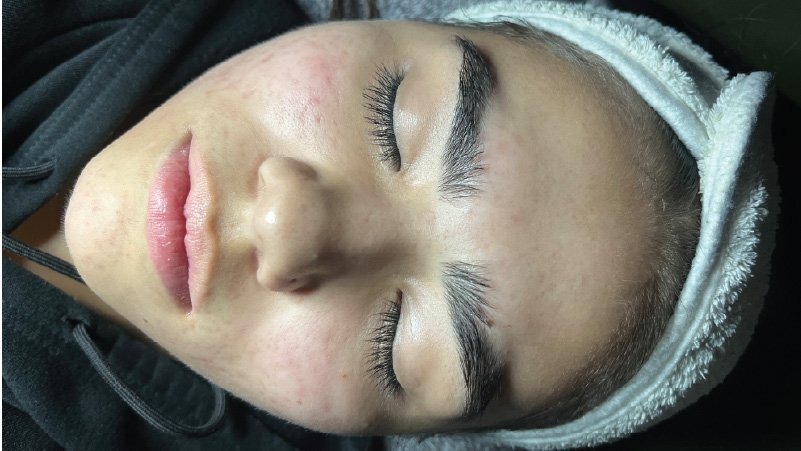
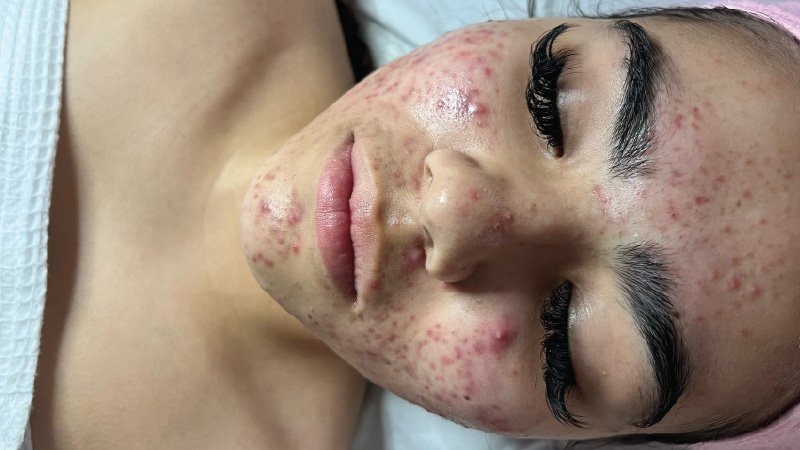
This is a quick 30 minute treatment will no down time and safe for all skin types.
AFTER
BEFORE
AFTER
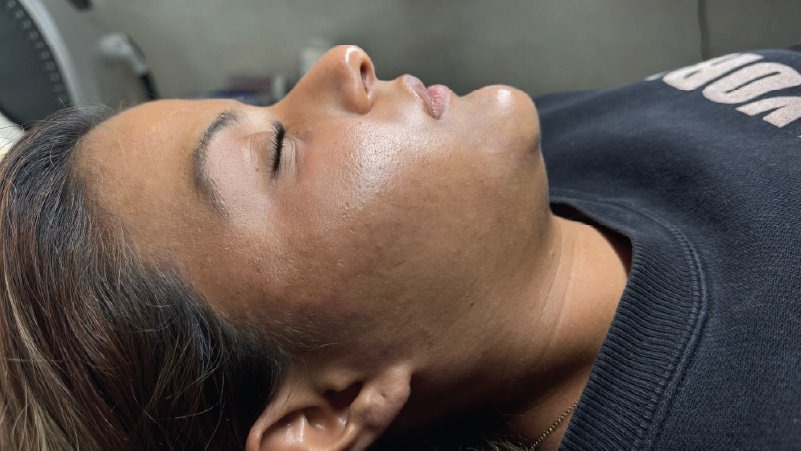
BEFORE
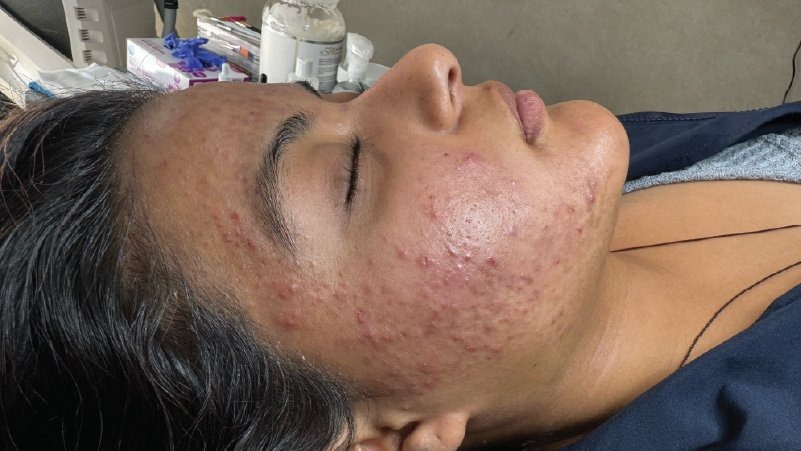
AFTER
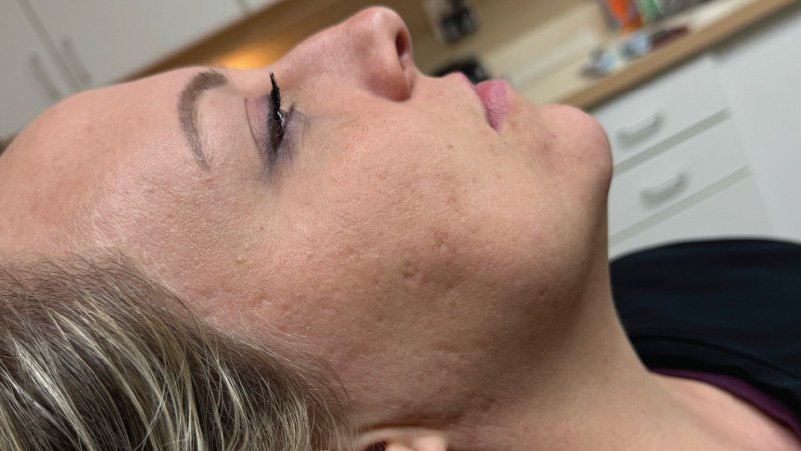
BEFORE

AFTER

BEFORE

AFTER
BEFORE
AFTER
BEFORE
AFTER
BEFORE
AFTER
BEFORE
FAQ AND PRODUCT INFORMATION
OVERVIEW
The SkinPen is the first FDA approved state-of-the-art microneedling device made in the US and used throughout the world. This is designed to give you a radiant, luminous, glowing, firm, and youthful skin. Your skin will produce natural collagen and elastin which is essential protein fibers in the skin that give it support and elasticity). This is a quick 30 minute treatment will no down time and safe for all skin types. Toxins in contrast such as Botox use a drug to relax muscles deeper to reduce wrinkles this can reduce the fine wrinkles on the surface of your skin. Your skin will return to a healthier looking and youthful appearance. Natural aging and acne scars can affect your confidence. This is a simple, comfortable, and effective treatment for skin rejuvenation. Most people see results in as few as three 30-minute sessions. The treatment area is your entire face and neck.
HOW DOES SKINPEN WORK?
The SkinPen creates millions (1600 penetrations per second) of controlled micro channels in the skin. The SkinPen treatment regenerates and activates your own collagen promoting tissue remodeling without causing scar tissue formation by stimulating the skin’s natural wound healing process (growth factors). The result is a cascade of healing processes that can continue for months following your treatment. We can also pair this with PRP where we apply this to your skin topically then use the SkinPen to help penetrate into the skin. This treatment effectively addresses sun damage, minimizes acne scars, and enhances the overall appearance of aging skin. The procedure typically lasts between 30 to 60 minutes, depending on the treatment area. As opposed to other skin treatments this does not involve chemicals or heat this patented technology uses mechanical cartridge with small needles that use a coupled retraction technology instead of a spring to avoid dragging on the skin. There have been over 90 validation studies to prove the consistency and safety of this treatment. There are 1600 micro trauma penetrations per second. The cartridge is ultrasonically sealed with no backflow, ensuring safety during the procedure. Disposable single-use needles maintain the highest standards of sterility and quality.
WHAT TO EXPECT DURING TREATMENT?
Your intake forms and consent forms will be reviewed.
Photos will be taken for comparison in the future. We appreciate if you give us permission to use your photos in advertising. Numbing cream will then be applied. If you are having a PRP treatment the blood will be drawn and processed. Your skin will be cleansed. The treatment will last between 30-60 minutes. The level of pain is very mild unlike other treatments such as Botox of filler injections.
What to expect on after your treatment?
Your skin may initially appear slightly pink to red, similar to a mild sunburn. This is normal and should subside within 24-72 hours. Some people see rejuvenated skin after just one treatment, and results may continue to improve for three to six months following your last treatment. You do not need to take any time off work but you do need to keep your skin clean and avoid cosmetics (no makeup for 2 -3 days based on healing to minimize the risk of infection).
SIDE EFFECTS AFTER TREATMENT:
You may experience redness and a flushed appearance akin to a moderate sunburn. Mild skin tightness and sensitivity in the treated areas are common but usually subside within a few hours. Most patients return to their normal appearance within 24 hours, with minimal signs of the procedure visible after three days.
CONTRAINDICATIONS
Microneedling is not recommended for individuals with:
- Keloid scars
- Scleroderma
- Collagen vascular diseases
- Cardiac abnormalities
- Blood clotting disorders
- Active infections (bacterial or fungal)
- Precautions
EXTRA CAUTION IS ADVISED FOR INDIVIDUALS WHO ARE:
- Pregnant or nursing
- Experiencing scars or stretch marks less than one year old
- Dealing with chronic skin conditions such as eczema or psoriasis
- Having a history of herpes simplex infections
- Diabetic or have wound healing deficiencies
- On immunosuppressive therapy
- Exhibiting raised moles or warts in the treatment area
Microneedling with PRP
SKINPEN with Platelet Rich Plasma (PRP)
Each session lasts around 60 minutes and is different from chemical or heat-based treatments.
FAQ AND PRODUCT INFORMATION
PROCEDURE OVERVIEW
The SkinPen is the first FDA-approved, state-of-the-art microneedling device manufactured in the U.S. and used globally. It is designed to enhance your skin’s radiance, firmness, and youthful appearance. By stimulating natural collagen and elastin production (proteins essential for skin support and elasticity), this quick 60-minute treatment offers noticeable results with minimal downtime. The SkinPen is safe for all skin types.
Unlike treatments like Botox, which relax muscles to reduce wrinkles, microneedling works at the skin’s surface to promote natural healing. This procedure can help address the effects of aging, acne scars, and skin imperfections, giving your skin a healthier and more youthful look. Most patients experience results after as few as three 30-minute sessions. Treatment typically covers the entire face and neck.
HOW DOES THE SKINPEN WITH PRP WORK?
The SkinPen creates approximately 3 million controlled micro-channels in the skin per treatment, stimulating collagen and promoting tissue remodeling without causing scarring. The device activates your skin’s natural wound-healing process, which can continue for months after the procedure. The SkinPen can also be combined with PRP (Platelet-Rich Plasma) therapy, where PRP is applied topically to enhance absorption through microneedling. This treatment is highly effective for addressing sun damage, minimizing acne scars, and improving the overall appearance of aging skin.
Each session lasts around 60 minutes and is different from chemical or heat-based treatments. The SkinPen uses a mechanical cartridge with small needles and a coupled retraction technology, ensuring safety and precision. Over 90 validation studies confirm its safety and effectiveness. The disposable, single-use needle cartridges are sealed ultrasonically to maintain sterility during each treatment.
WHAT IS PRP (Platelet Rich Plasma)?
Platelet Rich Plasma (PRP) is an innovative therapy that uses your own blood to promote healing and tissue regeneration. This treatment involves injecting a concentrated solution of platelets, derived from your own blood, into targeted areas. Platelets contain growth factors and proteins that stimulate the body’s natural healing processes and encourage cell growth. While PRP’s full potential is still being studied, it has shown promise in various medical and cosmetic applications.
HOW PRP WORKS
Platelets are rich in growth factors that help repair and regenerate tissue. In PRP therapy, a blood sample is taken from the patient, and the platelets are concentrated using a centrifuge. Once activated, the platelets release these growth factors, which promote new cell growth, reduce inflammation, and support healing. PRP stimulates collagen production, tightens and strengthens damaged tissues, and enhances overall skin appearance. The procedure typically takes about an hour, with a recommended series of three sessions spaced a month apart, followed by annual maintenance treatments.
KEY BENEFITS OF PRP
- Growth Factors: PRP contains platelet-derived growth factor (PDGF), vascular endothelial growth factor (VEGF), and transforming growth factor-beta (TGF-beta), which promote cell proliferation and collagen repair.
- Tissue Repair: PRP helps stimulate the production of extracellular matrix components necessary for connective tissue health.
- New Blood Vessel Formation: PRP encourages angiogenesis, the formation of new blood vessels, improving tissue health by delivering oxygen and nutrients.
- Anti-Inflammatory Effects: PRP reduces inflammation by releasing substances such as prostaglandins and leukotrienes.
- Cellular Recruitment: Platelets release adhesion molecules that attract other healing cells to the site of injury, further supporting tissue regeneration.
PRP CENTRIFUGE AND KIT SYSTEM
We use the EmCyte Centrifuge with PurePRP® Kits, an advanced system for regenerative therapy. It delivers the highest concentration of regenerative cells by selectively removing wound-inhibiting factors. This results in a more potent PRP product, containing up to 9 billion deliverable platelets—significantly more than typical systems. This concentrated PRP reduces inflammation, accelerates healing, and promotes tissue regeneration while removing red blood cells, which can cause pain and inflammation.
PRP SAFETY AND APPLICATIONS
PRP has been used safely for over 20 years in fields such as orthopedics, sports medicine, neurosurgery, dermatology, and aesthetics. In aesthetics, it is effective for treating fine lines, wrinkles, sagging skin, and hair loss. It’s safe for nearly all skin types, as it uses the patient’s own plasma, reducing the risk of allergic reactions or complications.
WHAT TO EXPECT DURING YOUR FIRST TREATMENT
- Review of Forms: We will review your intake and consent forms before starting.
- Photos: Pre-treatment photos will be taken for future comparison. You may choose to allow us to use them for marketing purposes.
- Numbing Cream: A numbing cream will be applied for comfort.
- Blood Draw: A small amount of blood will be drawn and placed in a centrifuge to isolate the platelet-rich plasma.
- PRP Application: The PRP is either injected or applied topically and combined with microneedling to improve absorption.
TREATMENT DURATION
The entire process takes about 60 minutes, including the blood draw, PRP preparation, and treatment.
WHAT TO EXPECT AFTER YOUR TREATMENT
Microneedling SkinPen: After the treatment, your skin may appear pink to red, similar to a mild sunburn. This typically subsides within 24 to 36 hours. Some individuals may see rejuvenated skin after just one session, with continued improvements over the next three to six months. While there’s no need for downtime, it is essential to keep your skin clean and avoid using suncreen/makeup for 1-2 days to minimize the risk of infection.
PRP: You may experience slight bruising at the blood draw site. Remove the bandage the next day.
SIDE EFFECTS
Microneedling SkinPen: Common side effects include mild redness and a flushed appearance, similar to a moderate sunburn. You may also experience slight skin tightness and sensitivity in the treated area, but these symptoms usually subside within a few hours. Most patients resume their normal appearance within 24 hours, with minimal signs of the procedure visible after three days.
PRP: Since PRP uses your own blood, there are no allergic reactions, making it a very natural treatment.
CONTRAINDICATIONS/PRECAUTIONS
Microneedling is not recommended for individuals with:
- Keloid scars
- Scleroderma
- Collagen vascular diseases
- Cardiac abnormalities
- Blood clotting disorders
- Active infections (bacterial or fungal)
- Precautions
PRP may not be suitable for individuals with:
- Acute or chronic infections
- Certain skin diseases
- Cancer
- Severe systemic disorders
- Abnormal platelet function
- Chronic liver conditions
- Those on anticoagulation therapy.
RISKS AND COMPLICATIONS
Both microneedling and PRP are generally safe with low risks. However, potential complications may include pain, bruising, bleeding, infection, allergic reactions, or ineffective results.
EXPECTED RESULTS
Results from microneedling with PRP typically become noticeable within four weeks, with further improvements over three to six months. For optimal results, a series of three treatments spaced four weeks apart is recommended, followed by maintenance sessions every six months as needed.
Hair Restoration with PRP
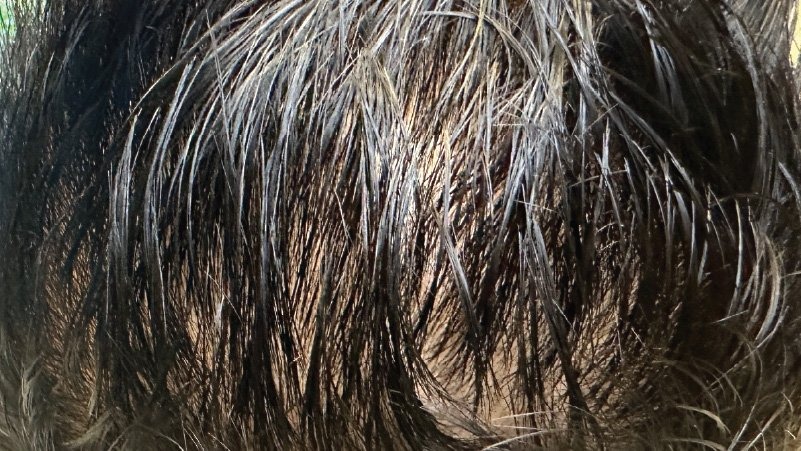
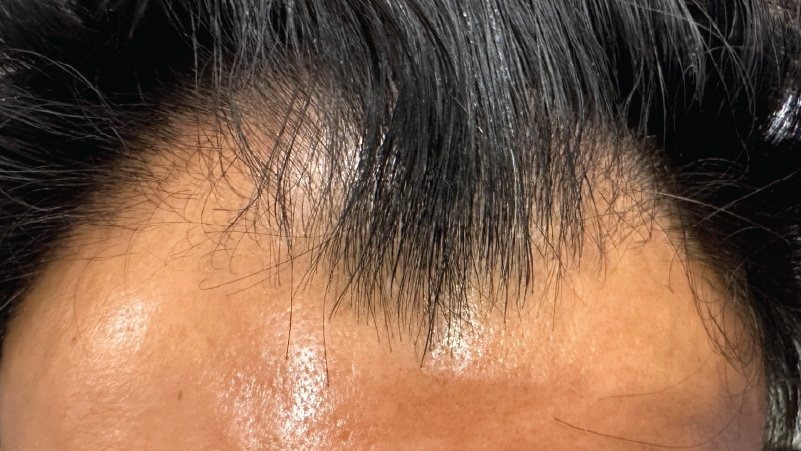
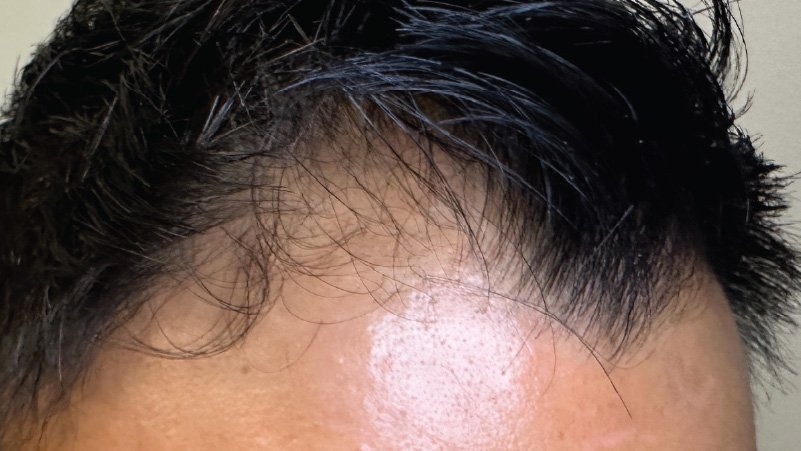
Hair-loss can happen at any age and may be influenced by various factors. Platelet-rich plasma (PRP) therapy is a natural hair-loss treatment that utilizes growth factors derived from your own blood, to slow hair loss and thinning. The PRP serum is injected into the scalp to stimulate hair follicles, promoting thicker, fuller hair.
CROWN
AFTER
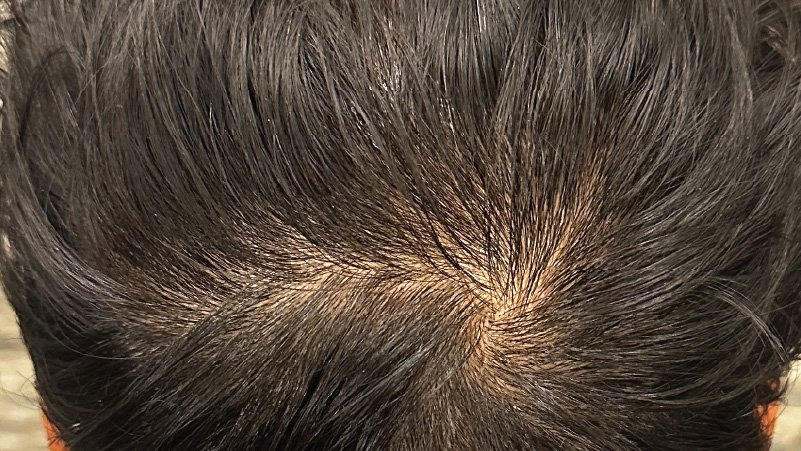
BEFORE
HAIRLINE
AFTER
BEFORE
CROWN
AFTER
BEFORE
HAIRLINE
AFTER
BEFORE
FAQ AND PRODUCT INFORMATION
Hair loss is a widespread condition that affects millions of individuals, both men and women. While it is often associated with aging, hair loss can happen at any age and may be influenced by various factors. Platelet-rich plasma (PRP) therapy is a natural treatment that utilizes growth factors derived from your own blood to slow hair loss and thinning. The PRP serum is injected into the scalp to stimulate hair follicles, promoting thicker, fuller hair. Since your own cells are used, there are generally no side effects from the injection itself. The body treats the injected cells as it would a wound, triggering tissue repair, enhancing blood flow, and supporting hair regrowth.
EXPECTED RESULTS OF PRP HAIR RESTORATION TREATMENT
Results vary, and ongoing research continues to document the effectiveness and longevity of PRP therapy for hair restoration. Typically, three treatments are needed to promote and maintain hair growth. An initial course of 3-6 treatments is recommended, followed by maintenance sessions every six months. Because PRP works with the natural hair growth cycle, results may begin to show about six months after your final treatment.
HOW PRP WORKS
PRP is rich in growth factors, which promote tissue repair and stimulate the production of new cells. When PRP is injected into the scalp, it triggers a mild inflammatory response that activates the body’s natural healing process. The platelets release growth factors that attract stem cells, encouraging tissue repair and collagen production. This process strengthens and improves the scalp tissue, resulting in healthier hair growth. A typical PRP procedure takes 45 minutes to an hour, with three initial sessions scheduled a month apart, followed by annual maintenance treatments.
MECHANISMS OF PRP FOR HAIR RESTORATION
- Growth Factors: PRP contains several growth factors, including platelet-derived growth factor (PDGF) and vascular endothelial growth factor (VEGF), which promote cell growth and tissue repair.
- Extracellular Matrix Production: PRP stimulates the production of matrix components like proteoglycans, which support tissue structure.
- Angiogenesis: PRP promotes the formation of new blood vessels, ensuring proper oxygen and nutrient delivery to the tissue.
- Anti-Inflammatory Effects: Platelets release anti-inflammatory agents, which help reduce inflammation and discomfort at the treatment site.
- Adhesion Molecules: Platelets also release adhesion molecules, which recruit additional cells to aid in tissue repair and new blood vessel formation.
PRP CENTRIFUGE AND KIT SYSTEM
We use the EmCyte Centrifuge with PurePRP® Kits, an advanced system for regenerative therapy. It delivers the highest concentration of regenerative cells by selectively removing wound-inhibiting factors. This results in a more potent PRP product, containing up to 9 billion deliverable platelets—significantly more than typical systems. This concentrated PRP reduces inflammation, accelerates healing, and promotes tissue regeneration while removing red blood cells, which can cause pain and inflammation.
HOW PRP IS ADMINISTERED
Blood is drawn and placed in a centrifuge to separate platelets from other blood components. The concentrated platelets and growth factors are then injected into the scalp using a tiny needle or applied with microneedling. The procedure, from blood draw to injection, typically lasts 30-90 minutes.
COMMON CAUSES OF HAIR LOSS
- Genetics (Androgenetic Alopecia): The most common cause of hair loss, affecting both men and women.
- Hormonal Changes: Events like pregnancy, menopause, or thyroid imbalances can lead to temporary or permanent hair loss.
- Medical Conditions: Conditions like alopecia areata, scalp infections, or scarring alopecias may cause hair loss.
- Medications and Treatments: Certain medications, chemotherapy, and radiation therapy can lead to hair loss.
- Nutritional Deficiencies: Deficiencies in iron, protein, vitamins D and B12 can contribute to thinning hair.
- Physical or Emotional Stress: Stress can trigger telogen effluvium, where more hair enters the resting phase and sheds.
- Hairstyling and Treatments: Harsh styling and tight hairstyles can lead to traction alopecia, where hair is pulled out from the scalp.
TYPES OF HAIR LOSS
- Androgenetic Alopecia (Pattern Baldness): Gradual thinning or receding hairline.
- Alopecia Areata: Sudden, patchy hair loss.
- Telogen Effluvium: Temporary diffuse thinning.
- Traction Alopecia: Hair loss caused by repeated tension on the hair follicles.
- Cicatricial Alopecia: Scarring-related permanent hair loss.
OTHER TREATMENT OPTIONS
- Medications: Minoxidil (Rogaine®) and Finasteride (Propecia®) are commonly used for hair restoration.
- Surgical Options: Hair transplants may also be considered in some cases.
SAFETY AND APPLICATIONS
PRP has been proven to be safe for over 20 years and is used in various medical fields, including orthopedics, sports medicine, and aesthetics. In aesthetics, PRP has been applied to treat fine lines, scars, and now, hair restoration. It is safe for nearly all skin tones as it uses the patient’s own enriched plasma.
BENEFITS OF PRP
- Natural treatment using your own cells.
- Low risk of allergic reactions.
- Enhances healing, improves skin texture, and promotes hair growth.
- Minimal downtime with natural-looking results.
CONTRAINDICATIONS
PRP may not be suitable for individuals with:
- Acute or chronic infections
- Skin diseases
- Cancer or recent chemotherapy
- Severe systemic disorders
- Abnormal platelet function
- Liver conditions
- Those on anticoagulation therapy
RISKS AND COMPLICATIONS
Though PRP is generally safe, potential side effects include:
- Pain, bruising, or bleeding at the injection site
- Temporary redness or swelling
- Allergic reactions
- Nerve or muscle injury
- Itching or dizziness
POST-TREATMENT INSTRUCTIONS
Immediately After Treatment:
- Avoid touching or rubbing the scalp to prevent infection.
- Take a warm shower the night of the procedure to promote blood flow (no hot water).
- Avoid hair products for 48 hours and anti-inflammatory medications for 1 week.
- Sleep on a clean pillowcase
- If you wear headwear be sure it is clean.
First 24-48 Hours:
- Avoid strenuous activities and limit sun exposure.
First Week:
- Use gentle shampoos and avoid harsh chemicals.
- Stay hydrated and eat a nutrient-rich diet.
After 1-2 Weeks:
- Resume normal hair care and light scalp massage.
Ongoing Care:
- Continue with your treatment plan and healthy lifestyle choices.
Common Side Effects (up to 2 weeks):
- Red, tender scalp
- Itchiness
- Tiny crusty scabs
Platelet-Rich Plasma (PRP)
Platelet-Rich Plasma (PRP) is an advanced therapy that utilizes the healing properties of your own blood to rejuvenate skin, hair, and tissue. This treatment involves injecting a concentrated solution of platelets, known as platelet-rich fibrin matrix, into a targeted area. These platelets contain growth factors that stimulate the body’s natural healing process and promote new cell growth.
PRP FAQ AND INSTRUCTIONS
Platelet-Rich Plasma (PRP) is an advanced therapy that utilizes the healing properties of your own blood to rejuvenate skin, hair, and tissue. This treatment involves injecting a concentrated solution of platelets, known as platelet-rich fibrin matrix, into a targeted area. These platelets contain growth factors that stimulate the body’s natural healing process and promote new cell growth. While PRP’s full potential is still under research, it has shown promising results in various medical and cosmetic applications.
HOW PRP WORKS
Platelets are naturally rich in growth factors that aid in tissue repair and regeneration. When PRP is injected into damaged or aging tissue, it triggers a mild inflammatory response, activating the body’s healing processes. The platelets release growth factors and enzymes, attracting stem cells that stimulate tissue repair and collagen production. As the collagen matures, it strengthens and tightens the treated area, improving its appearance. A typical PRP treatment takes 45 minutes to an hour, with three sessions spaced a month apart recommended, followed by annual touch-ups for maintenance.
PRP promotes healing through several mechanisms:
- Growth Factors: Platelets contain growth factors like PDGF, VEGF, and TGF-beta, which promote cell proliferation and collagen production.
- Tissue Repair: PRP stimulates the production of components like proteoglycans and glycosaminoglycans, which are essential for healthy connective tissue.
- Angiogenesis: PRP encourages the formation of new blood vessels, which improves tissue oxygenation and nutrient delivery.
- Anti-Inflammatory Effects: PRP releases substances that reduce inflammation and pain at the treatment site.
- Cellular Recruitment: Platelets release adhesion molecules, attracting other healing cells to the area and promoting tissue repair.
HOW IS PRP DONE?
Blood is drawn from the patient and placed in a centrifuge, which separates the platelets from other blood components. This concentrated platelet solution is collected and prepared for injection. The PRP is then injected into the target area using a small needle or applied with microneedling to enhance absorption. The entire process, from blood draw to treatment, takes 30 to 90 minutes.
PRP CENTRIFUGE AND KIT SYSTEM
We use the EmCyte Centrifuge with PurePRP® Kits, an advanced system for regenerative therapy. It delivers the highest concentration of regenerative cells by selectively removing wound-inhibiting factors. This results in a more potent PRP product, containing up to 9 billion deliverable platelets—significantly more than typical systems. This concentrated PRP reduces inflammation, accelerates healing, and promotes tissue regeneration while removing red blood cells, which can cause pain and inflammation.
SAFETY AND APPLICATIONS
PRP has been proven safe and effective for over 20 years in various medical fields, including wound healing, orthopedics, sports medicine, neurosurgery, and dermatology. Since 2004, PRP has been used in aesthetics to treat fine lines, wrinkles, sagging skin, and hair loss. It is safe for all skin tones as it uses the patient’s own blood, minimizing the risk of allergic reactions.
BENEFITS OF PRP
- Uses your own tissue, reducing the risk of allergic reactions.
- Stimulates stem cells to enhance healing.
- Improves skin texture and thickness, reducing fine lines and wrinkles.
- Diminishes scars and promotes overall skin rejuvenation.
- Minimal downtime with natural-looking results.
- Effectively stimulates hair growth.
CONTRAINDICATIONS
PRP is generally safe for individuals 18 years and older, but it may not be suitable for:
- Acute or chronic infections
- Certain skin diseases
- Cancer or recent chemotherapy
- Severe systemic disorders
- Abnormal platelet function
- Chronic liver conditions
- Patients on anticoagulation therapy
- Recent corticosteroid use
RISKS AND COMPLICATIONS
While PRP is considered safe with minimal risks, potential side effects may include:
- Pain, bruising, or bleeding at the injection site
- Temporary redness or flushing
- Allergic reactions
- Nerve or muscle injury
- Itching, nausea, or dizziness
- Scarring or infection
- Ineffective results
EXPECTED RESULTS
PRP results typically become noticeable within 4-8 weeks, with continued improvements over the next 3-6 months. A series of three treatments spaced 4-8 weeks apart is recommended for optimal results. PRP can enhance skin texture and tone, but advanced wrinkles or severe scarring may show only minimal improvement. Results generally last between 18-24 months, although individual responses may vary. For hair restoration, three treatments spaced one month apart are ideal.
WHAT TO EXPECT DURING YOUR TREATMENT
- Review of Forms: Your intake and consent forms will be reviewed before starting the procedure.
- Photos: Pre-treatment photos will be taken for future comparison. You may choose to allow their use for marketing purposes.
- Numbing Cream: A numbing cream will be applied to ensure comfort.
- Blood Draw: A small amount of blood will be drawn and processed to isolate the platelet-rich plasma.
- PRP Application: The PRP is injected or applied topically with microneedling to improve absorption.
- Treatment Duration: The process takes approximately 60 minutes, including the blood draw, PRP preparation, and treatment.
WHAT TO EXPECT AFTER TREATMENT
You may experience slight bruising at the blood draw site. The bandage can be removed the next day.
SIDE EFFECTS
Since PRP uses your own blood, allergic reactions are unlikely, making it a natural treatment option.
EXPECTED RESULTS
Results from microneedling with PRP usually appear within four weeks, with improvements continuing over the next three to six months. For optimal results, three treatments spaced four weeks apart are recommended, with maintenance sessions every six months as needed.
Fat Dissolving Injections
KYBELLA
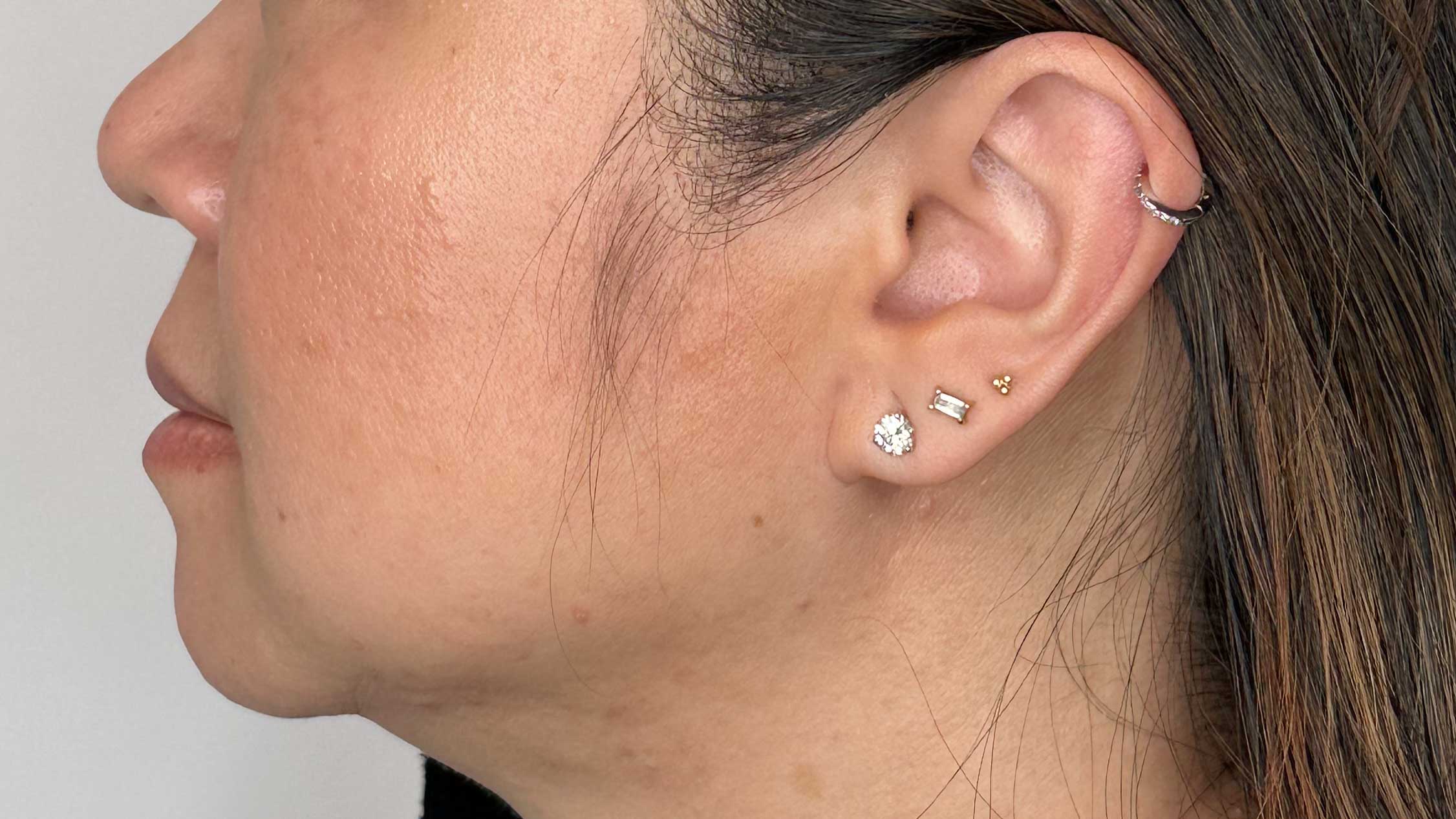
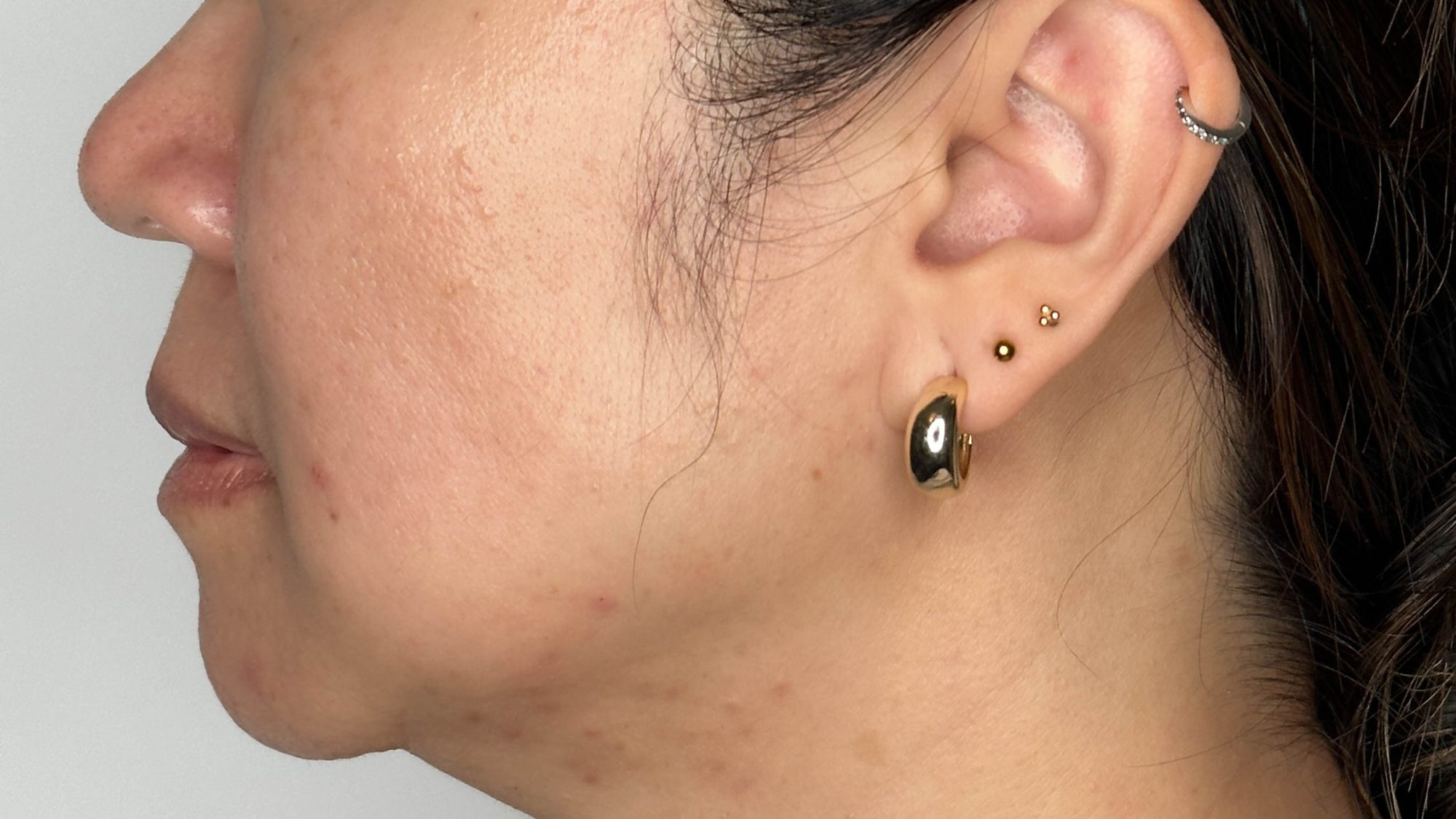
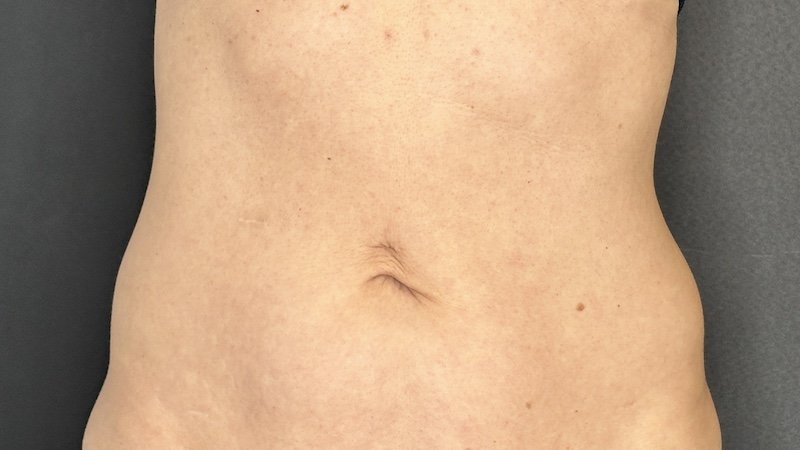
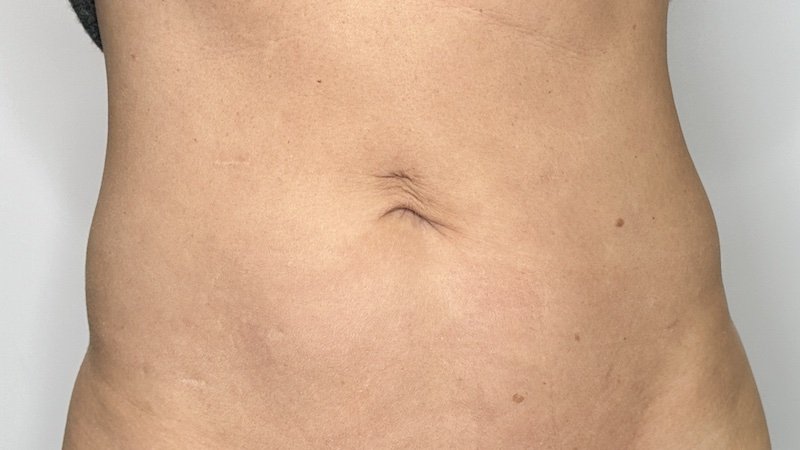
KYBELLA® destroys fat cells in the treatment area by aiding in the breakdown and absorption of dietary fat, and a noticeable reduction in fullness. Once destroyed, these cells can no longer store or accumulate fat, so further treatment is not expected once you reach your desired aesthetic goal. Typically a series of at least 2-3 treatments is necessary to achieve optimal results. Common areas include under the chin to improve your profile, cheek and stomach.
CHIN AND JAW
AFTER
BEFORE
ABDOMEN
AFTER
BEFORE
FAQ AND PRODUCT INFORMATION
WHAT IS KYBELLA?
This is an individually tailored injectable treatment that permanently destroys fat cells in the treatment area under the chin for an improved profile or any area of stubborn fat on your body.
WHAT AREA IS USUALLY TREATED WITH KYBELLA?
Double chin or submental fat tissue. The safe and effective use of KYBELLA for the treatment of subcutaneous fat outside the submental region has not been established and is not recommended
WHO IS USUALLY TREATED WITH KYBELLA?
Men and women. Those who are unable to rid themselves of submental fullness despite diet and exercise.
HOW MANY TREATMENTS ARE NEEDED?
The fat cells are permanently destroyed. Once destroyed, those cells cannot store or accumulate fat even if you gain weight. Fat cleared from the treatment area is processed through natural metabolic mechanisms
WHO IS NOT A CANDIDATE FOR KYBELLA?
You would need a consultation prior to the procedure visit to confirm that you are a candidate.
- Those with a history of dysphagia or trouble swallowing
- Those with excessive skin laxity and prominent platysmal or neck bands
- Those with coagulation abnormalities or who are currently being treated with antiplatelet or anticoagulant therapy
- Those who had prior surgical or aesthetic procedures in the submental area
- Those with presence of infection at the injection sites
WHAT ARE THE POTENTIAL SIDE EFFECTS?
- Edema/swelling is the most common and can last about a month
- Hematoma/bruising is also very common
- Pain occurs in most individuals as this medication is deoxycholic acid and can cause pain with injection
- Numbness occurs in many
- Erythema Marginal mandibular or lower jaw nerve injury can occur which would cause an asymmetric or uneven smile or facial muscle weakness that would resolve spontaneously on average in 6 weeks
- Difficulty swallowing or dysphagia which would resolve spontaneously on average several days
- Vascular injury if the medication is inadvertently injected into an artery or vein
- Alopecia or hair loss.
- Ulceration and necrosis resulting in skin scarring and damage
HOW IS THE PROCEDURE PERFORMED?
The skin is numbed with a cream or ice. The skin is then marked to avoid vital structures (nerves, salivary glands and lymph nodes) while the client is sitting up and lying down. The skin is cleansed and a grid is then placed onto the skin. Multiple injections are placed using a small needle. There will be some pain which is manageable due to the medication utilized. The sensation is similar to a pinch.
HOW SUCCESSFUL IS KYBELLA?
In clinical studies, 79% of individuals were satisfied with their appearance of the area beneath their chin 3 months after their last treatment.
WHAT IS THE FOLLOW UP?
4 weeks after the procedure it is recommended to then repeat your treatment for a 2nd treatment to achieve the most ideal results.
Weight Loss
MEDICATIONS
These medications have been used for the past few decades to treat diabetes, and are now being used to help lower weight. These medications help to regulate your appetite to reduce the amount of food you eat, curb food cravings, and help your body process sugars more efficiently.
Pricing depends on necessary treatments per individual
WEIGHT LOSS FAQ AND INSTRUCTIONS
WHAT ARE OUR WEIGHT LOSS MEDICATIONS?
Semaglutide and Tirzepatide are medications which help with weight loss.
WHERE DO WE GET THESE MEDICATIONS?
We utilize a compounding pharmacy which is able to produce the medications as there is an international shortage.
HOW DO THESE MEDICATIONS WORK FOR WEIGHTLOSS?
This utilized a GLP-1s (Glucagon Like Peptide) antagonist technology. Their effectiveness is used through these methods:
1. Regulating your appetite to reduce the amount of food you eat.
2. Curb food cravings
3. Help your body process sugars more efficiently.
WHAT ARE THE OTHER USES FOR THESE MEDICATIONS?
These medications have been used for the past few decades to treat diabetes.
WHAT DO I NEED TO KNOW BEFORE CONSIDERING THESE MEDICATIONS FOR WEIGHTLOSS?
To qualify you need to be OVER the age of 18, not currently pregnant, nursing, or planning to become pregnant in the next year, no family or personal history of medullary thyroid cancer, not currently being treated for cancer, not currently using insulin.
OBESITY MANAGEMENT
Obesity is a chronic disease that may require indefinite medication for some, while others can resume healthy habits once they reach a normal body weight. It is no longer viewed as a lack of willpower or motivation.
HOW ARE THE WEIGHT LOSS MEDICATIONS USED?
We prescribe a weekly self-administered injection that helps with weight loss.
HOW DOES THIS MEDICATION WORK FOR WEIGHT LOSS?
These medications function by utilizing GLP-1 (Glucagon-Like Peptide-1) receptor agonist technology.
1. It helps with weight loss through:
2. Regulating appetite to reduce food intake.
3. Curbing food cravings.
4. Helping the body process sugars more efficiently.
WHAT ARE THE OTHER USES FOR THIS MEDICATION?
These medications have been used in the past decade to treat diabetes.
WHAT DO I NEED TO KNOW BEFORE CONSIDERING THIS MEDICATION FOR WEIGHT LOSS?
To qualify, you must:
1. Be over 18 years old.
2. Not be pregnant, nursing, or planning to become pregnant in the next year.
3. Have no family or personal history of medullary thyroid cancer.
4. Not be currently treated for cancer.
5. Not be using insulin.
HOW DO I TAKE THIS MEDICATION?
Administer a painless weekly injection using a small needle. Dosages are adjusted every 4 weeks based on weight loss and symptoms.
WHAT KIND OF WEIGHT LOSS RESULTS CAN I EXPECT?
On average, you can lose about 20% of your body weight over a year when combined with proper nutrition and exercise.
DO I NEED BLOOD LAB TESTS BEFORE STARTING TREATMENT?
Yes, we recommend undergoing lab tests through our partner laboratory testing center before starting treatment. However, you have the option to sign a waiver to decline the recommended tests and accept the associated risks. These risks include pancreatitis, liver failure, rare thyroid cancer, and severe hypoglycemia, which can cause fainting. Blood tests help us identify individuals who may be at higher risk for these conditions. If you have recent blood test results, you can provide those for our review, though please note that they may not include all necessary tests.
HOW MUCH DOES IT COST TO USE THE PARTNER LAB?
The cost for the laboratory test is $200 and is self-pay and self scheduled. The test is conducted in Seattle.
WILL MY HEALTH INSURANCE COVER THE MEDICATION?
Unfortunately the medication is self pay and not processed through your insurance company.
DO I NEED TO CONTINUE THIS MEDICATION FOREVER?
Once you reach your ideal body weight, you can lower the dosage or stop the medication. However, maintaining your weight requires permanent changes to your nutrition and exercise routine.
TREATMENT PLAN
Weekly self-administered injections into the abdomen, arm, or thigh. Dosages are titrated over time. Follow instructions for safe administration.
MAXIMIZE SUCCESS
The best results come from combining medication with lifestyle changes like a balanced diet and regular exercise.
Exercise:
Move at least 30 minutes daily
Engage in resistance training 3 times a week
Nutrition:
Prioritize protein, healthy fats, vegetables, and occasionally fruits.
Drink 2 liters of water daily and avoid eating 3 hours before bedtime.
Avoid processed foods, fast food, and simple carbohydrates.
HOW TO USE MEDICATIONS:
Store in the refrigerator.
Clean the top of the bottle and your skin with an alcohol swab.
Draw out the dosage and inject.
COMMON SIDE EFFECTS TO LOOK FOR:
Nausea
Indigestion
Constipation
Mild allergic skin reaction at the injection site
Diarrhea
Fatigue
Other Possible Side Effects
Nervousness
Sleeplessness
Headaches
Dry mouth
Weakness
Tiredness
High blood pressure
Rapid heartbeat
Heart irregularities
Changes in vision
INSTRUCTIONAL VIDEOS:
Instructions on Storage and Treatment
Learn more about it here in our video.
SUPPLEMENTS/SUPPLIES TO PURCHASE:
ACID REFLUX TREATMENT:
Omeprazole. Take as needed if you have acid reflux while starting this treatment.
EXCESSIVE GAS TREATMENT:
Gas-X Extra Strength Chewable Gas Relief Tablets with Simethicone
CONSTIPATION PREVENTION:
Take one or all of the below based on your level of constipation risks.
Metamucil Fiber Supplement
Recommended to take daily to prevent constipation and maintain adequate fiber intake. Can use in combination with other constipation meds.
Magnesium Citrate
Take before bedtime to prevent constipation. Can use in combination with other constipation meds.
Miralax
Use once daily to prevent constipation. Can use in combination with other constipation meds.
CONSTIPATION TREATMENT:
Take one or all of the below based on your level of constipation risks.
Senokot
Take at bedtime or twice daily based on severity of constipation. Can use in combination with other constipation meds.
Dulcolax 5mg
Use before bedtime for more severe constipation. Can use in combination with other constipation meds.
Milk of Magnesia
DAILY NUTRITIONAL SUPPLEMENTS:
Protein Shake
Electrolyte Supplement
MEDICAL SUPPLIES:
Alcohol Wipes
Insulin Syringes
Insulin Travel Cooler
Wellness Therapies
VITAMIN B12 / TRIGGER POINT / IV HYRDRATION

Vitamin B12
weekly therapy
B12 FAQ & FACTS
WHAT IS THE IMPORTANCE OF VITAMIN B-12?
Vitamin B-12 is a water-soluble B complex vitamin. It’s found naturally in many foods, such as meat, fish and dairy products. Foods most rich in Vitamin B 12 are beef kidney, beef liver, canned salmon, eggs, ground beef, milk, trout. Vitamin B-12 is added to some foods and is available as a dietary supplement.
HOW DO YOU KNOW IF YOU ARE VITAMIN B-12 DEFICIENT?
Laboratory blood tests.
WHAT ARE SOME SYMPTOMS TO LOOK FOR?
- Difficulties with maintaining balance
- Fatigue, weakness, or lethargy
- Dizziness or feeling faint
- Feeling of pins and needles
- Headache or irritability
- Mouth sores
- Constipation
- Reduced cognitive function (memory or comprehension issues)
- Dementia
- Confusion
- Memory Loss
- Mood changes
- Sore and swollen tongue (may appear pale yellow or red)
- Vision changes
- Megaloblastic anemia
- Appetite loss
- Weight loss
- Dementia
- Depression
- Tingling or numbness in hands and/or feet
- Heart palpitations
- Pale skin
- Infertility
WHY GET A VITAMIN B-12 INJECTION?
Vitamin B-12 is essential to your brain and nervous system and without this vitamin you may feel tired and weak among other symptoms. This vitamin plays a key role in DNA production, red blood cells, and nerve cells.
HOW ARE THE VITAMIN B-12 INJECTIONS GIVEN?
The injections are given intramuscularly (typically the upper arm, thigh, buttock) after cleansing your skin and using a small needle.
WHAT IF YOU ARE NOT DEFICIENT WOULD A VITAMIN B-12 INJECTION BE HELPFUL?
This can help raise your energy and endurance during exercise. This has been used by some to help lose weight but is not guaranteed. Having a large amount of Vitamin B-12 is not harmful. It should be noted that there is no report of B12 toxicity. If you’re an otherwise healthy person, B12 injections are completely safe—and if you see positive results, there’s no reason to stop getting them.
WHY GET INJECTIONS IF YOU ARE TAKING ORAL SUPPLEMENTS ALREADY OF VITAMIN B-12?
While an oral supplement may not be fully absorbed the injections are 100% absorbed directly into the tissues. The injections bypass the digestive system.
WHAT ARE SOME RISK FACTORS THAT CAN INCREASE THE CHANCE OF DEVELOPING VITAMIN B12 DEFICIENCY?
- Vegetarian or plant based diet
- High alcohol consumption
- Older age
- Pernicious anemia
- Atrophic gastritis, which refers to inflammation in the stomach
- Helicobacter pylori infection
- Celiac disease
- Crohn’s disease
- A history of gastrointestinal surgery
- Pancreatic insufficiency
- AIDS
- Some hereditary conditions that affect vitamin B12 absorption
- Use of gastric acid inhibitors such as omeprazole (Prilosec®) and lansoprazole (Prevacid®), and histamine 2-receptor antagonists, such as cimetidine (Tagamet®) and ranitidine (Zantac®)
WHAT CONDITIONS CAN VITAMIN B12 SHOTS MAY HELP REDUCE THE RISK OF?
- Heart Disease
- Stroke
- Neurological disorders
- Problems with thinking and memory
- Vision loss
- Infertility
- Neural tube defects in children born to those with a vitamin B12 deficiency
WHAT ARE SOME BENEFITS OF VITAMIN B12 SHOTS?
- Weight loss by speeding up your metabolism
- Better sleep
- Improve concentration and mood
- Boosts to your immune system
- Possibly help with hair growth or stop hair loss
- Improve fertility
WHAT ARE THE POTENTIAL SIDE EFFECTS?
- Nausea
- Vomiting
- Indigestion
- Mild diarrhea
- Feeling tired
- Headache
- Pain, redness, or itching at the site of the injection
- Swelling sensation in the body
- Temporary itching of the skin
HOW OFTEN DO YOU NEED TO REPEAT THE INJECTIONS?
Depending on how deficient you are this may be ONCE A WEEK for 4-8 weeks followed by MONTHLY injections.
Each dosage will be 1000 micrograms or 1 cc which is equivalent to half a teaspoon.
Trigger Point
muscle therapy
TRIGGER POINT FAQ & FACTS
WHAT IS A TRIGGER POINT?
Trigger points are due to damaged and painful MUSCLE fibers and may be formed after acute trauma or by repeated micro-trauma. Trigger points are very tender knots/nodules in the muscles. Trigger points can be responsible for pain in parts of the body that are quite some distance from where the nodule is itself. This is most commonly the back and radiate pain and discomfort into the shoulders and neck. These points are usually palpable and produce a characteristic referred pain upon palpation, along with pain locally and occasionally a local twitch response.
WHY GET A TRIGGER POINT INJECTION?
A trigger point injection is a great alternative to taking pain medications.
HOW IS THE INJECTION PERFORMED?
The injection can be performed very carefully with a dry needle, local anesthetic or numbing medication, cortisone, or neuromodulator to relax the muscle (e.g. Botox) into the area of pain and tenderness can relax the muscle and allow it to heal. The skin will be marked and then cleaned with alcohol wipes. Then a cold spray is followed by placing a small 25 gauge needle. This therapy is best used with a rehabilitative approach including strengthening and stretching of the musculature.
Injections usually take just a few minutes. Several sites may be injected in one visit. If you have an allergy to a certain drug, a dry-needle technique (involving no medications) can be used. One to five trigger points may be injected in one session, and sessions are typically repeated at regular intervals in a series and coordinated with physical therapy. Injections that relieve pain allow greater participation by the patient in stretching programs, aerobic exercise programs, and other physical therapy treatments.
WHICH MUSCLES ARE COMMONLY INJECTED?
The most common muscle groups treated using trigger point injections include the masseter (jaw), levator scapulae (neck), gluteus medius (buttock), quadratus lumborum (lower back), trapezius (shoulder), sternocleidomastoid (neck), and temporalis (temples) muscles.
WHAT ARE THE AVERAGE PRICES?
$100 for one muscle and typically each visit will involve 2-4 muscles treated at each visit. Increased cost if botox or similar medication is used.
WHO IS NOT A CANDIDATE FOR THIS INJECTION?
- Cobalt allergy
- Active infection over the site of trigger point.
- Patients taking anticoagulation
- Pregnant patients
- Patients where anatomical landmarks are indistinguishable.
- Patients with local anesthetics allergies
- Severe fibromyalgia
- History of keloid formation
- Poorly controlled psychiatric disorder
- Patient with severe needle-phobia
- Sensitivity to vitamin B12
- Leber’s disease, which affects the optic nerve
- Kidney problems
- Hypokalemia, or low potassium levels
WHAT ARE THE POTENTIAL SIDE EFFECTS?
- Pain
- Bleeding/Hemorrhage at treatment site
- Infection
- Allergic reaction to the anesthetic agent
- Systemic anesthetic toxicity
- Formation of a hematoma
- Vascular injury
- Although rare, there are some reports of complications such as pneumothorax or collapsed lung, especially when treating trigger points in the neck and shoulder region using a needling technique.
IV Hydration
weekly therapy
IV FAQ & FACTS
IV fluids are specially formulated liquids that are injected into a vein to prevent or treat dehydration. They’re used in people of all ages who are sick, injured, dehydrated from exercise or heat, or undergoing surgery. Intravenous rehydration is a simple, safe and common procedure with a low risk of complications. Even healthy individuals who want a boost for their energy and endurance level an IV treatment can be beneficial. As opposed to drinking liquids IV fluids are absorbed 100% into your system.
What are IV fluids?
IV fluids are liquids injected into a person’s veins through an IV (intravenous) tube. They prevent or treat dehydration and electrolyte imbalances. Your treatment can be combined with certain vitamins to enhance your well being.
Why are intravenous fluids used?
Water is essential to every cell in our bodies. In fact, our bodies are made up of about 60% water. When you don’t have enough water in your body, that’s called dehydration.
What are the effects of dehydration?
When you’re dehydrated, it can affect:
- Skin health.
- Energy level.
- Balance of important minerals (electrolytes) in the body.
- Cognitive (mental) performance.
- Gastrointestinal function (your ability to digest food and create pee and poop).
- Headache frequency and intensity.
- Many organs, including the kidneys, heart and brain.
- Physical performance.
Signs of severe dehydration include:
- Dizziness
- Dry eyes (no tears).
- Dry lips and tongue.
- Dry, wrinkly or blotchy skin.
- Fatigue (feeling tired).
- Fast breathing.
- Hands and feet that are cool to the touch or blotchy-looking.
- Less pee than usual (fewer than four times per day).
- Pee that’s dark yellow and smells strong.
Procedure Details
What are the types of IV fluids?
There are different kinds of IV fluids. At Forever Young Aesthetics we will decide which type is right for you, depending on why you need them. Most commonly we utilize lactated Ringer’s, which contains sodium, chloride, potassium, calcium and lactate. It’s used for aggressive fluid replacement.
What happens during rehydration with IV fluids?
If you need IV fluids we will:
- Decide the type of IV fluid you need or vitamins.
- Determine the amount of fluid you need and how quickly. This is based on many factors, including your weight, age and medical conditions.
- Disinfect (clean) the skin where the IV will go, usually on the inside of the elbow or on top of the hand.
- Tie an elastic band (tourniquet) around your arm to make blood fill the veins.
- Examine the veins to find the exact insertion site.
- Slide a sterile needle into the vein, which may pinch. The needle will have a small plastic tube at the other end.
- Remove the tourniquet.
- Place a small plastic attachment onto the tube.
- Test the tube to make sure a little bit of fluid can go in.
- Tape the IV needle to your arm so that it stays in place.
- Attach the small tube to a longer tube, and then attach it to a bag of fluids.
- Hang the bag from a hook on a tall stand (called an IV stand).
- Check your IV line regularly and monitor the amount of fluid entering your body.
What happens after IV fluids?
IV fluids can make you feel better very quickly. But we will determine when you can stop receiving intravenous fluids.
Risks / Benefits
What are the advantages and risks of this procedure?
IV rehydration is a common, simple and safe procedure that can make you feel better quickly and help save your life if you’re seriously ill.
But rare complications can occur, including:
- Air embolism: An air embolism, or gas embolism, occurs when an IV pushes too much air into the vein. It’s rare but can have serious consequences, including possible death.
- Collapsed vein: Sometimes, the vein collapses when the needle is inserted or when an IV is in place for a long period of time. If this happens, your healthcare provider will try to find another vein to use. There are many other veins to take over for the collapsed vein.
- Fluid overload: If too much fluid is given too quickly, you can experience a headache, high blood pressure and trouble breathing. This usually resolves quickly with an adjustment to fluid levels. But it can be dangerous.
- Hematoma: A hematoma occurs when blood leaks from the blood vessel into nearby tissues. It looks like a bad bruise and usually goes away in a few weeks.
- Infection: If the area isn’t clean when the needle is inserted, infection may occur. Your healthcare provider can usually treat infections with antibiotics.
- Infiltration: If the needle moves or gets dislodged, fluids can enter tissues around the vein. This may cause stinging and bruising, but it’s typically easy to resolve.
- Phlebitis: Phlebitis occurs when the vein becomes swollen because of the IV. It’s one of the more common complications, but it’s usually easily treatable by removing the IV, applying a warm compress and elevating t headache or trouble breathing.
Ready to Look and Feel Vibrant?
BOOKING BY APPOINTMENT ONLY
Forever Young Aesthetics the ONLY office in West Seattle open both Saturday and Sunday