
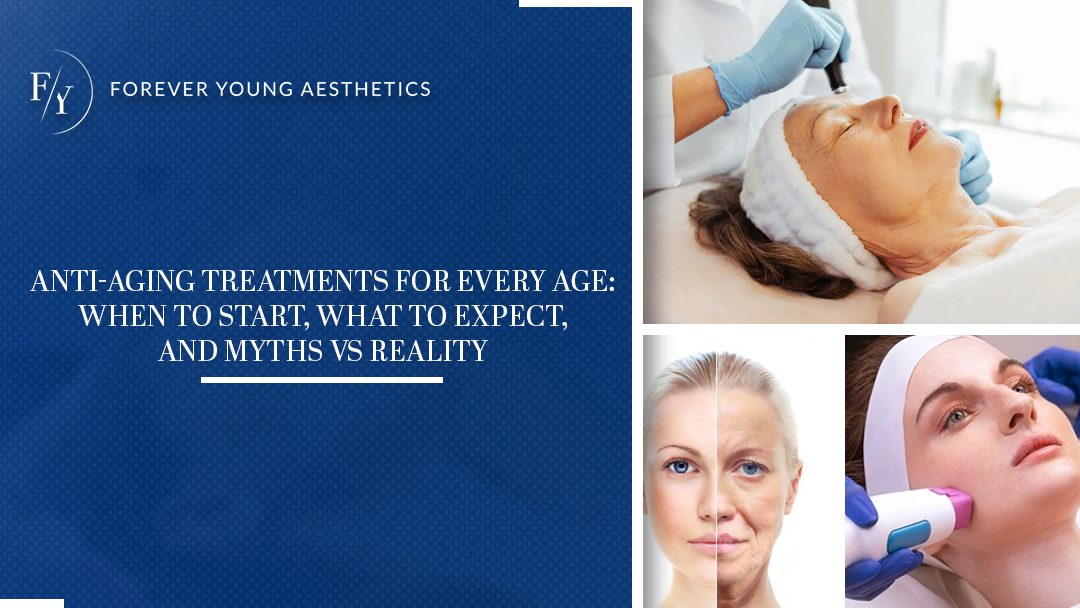
Anti-aging treatments shape how skin ages by supporting structure and tone through the decade. Many adults explore anti-aging procedures early, seeking results that respect facial anatomy and skin biology. Forever Young Aesthetics approaches aesthetic medicine through education, medical, and natural outcomes.
Each treatment reflects thoughtful planning guided by skin health, facial balance, and long-term wellness goals.
The Medical Science Behind Skin Aging
Skin aging begins at the cellular level as collagen slows and elastin fibers gradually weaken. Anti-aging treatments address these changes by supporting fibroblast activity and improving overall dermal integrity.
Environmental exposure, stress, and lifestyle habits further influence texture, pigmentation, and firmness changes.
During the 20s, collagen remains abundant, allowing medical-grade skincare treatment to support prevention strategies.
- Clinical antioxidants
- Professional facials
- Sun protection
These act as the skin barrier and cellular resilience.
Anti-Aging Treatments During the 30s
The 30s introduce early dynamic lines caused by repetitive facial movement and reduce collagen synthesis. Anti-aging treatments during this stage focus on maintaining smoothness while supporting natural facial expression.
Forever Young Aesthetics integrates medical evaluation with aesthetic planning to protect long-term skin vitality. Clients typically focus on early intervention strategies that preserve structure rather than correcting advanced aging signs.
Structural Skin Changes in the 40s and 50s
By the 40s, visible aging can:
- Volume loss
- Uneven tone
- Reduced elasticity across facial contours
These options improve collagen stimulation while maintaining harmony between facial muscles and skin layers.
During the 50s:
- Decreased hyaluronic acid
- Slower cellular turnover affect hydration
- Skin thickness
Advanced anti-aging procedures restore moisture balance, improve elasticity, and support healthier tissue function.
Medical Aesthetic Treatments Used Today
Modern anti-aging procedures rely on anatomy techniques supported by regenerative aesthetic medicine principles.
Each approach reflects facial structure, skin condition, and long-term goals discussed during consultation.
Common medical treatments are:
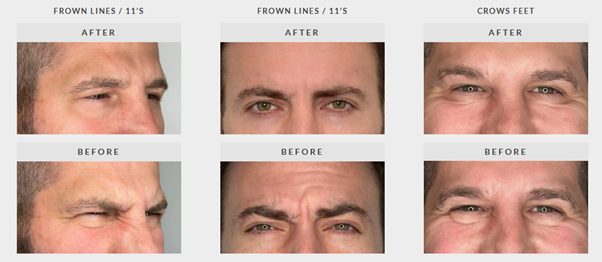
- Neuromodulators that relax targeted muscles while preserving natural facial movement and expression.
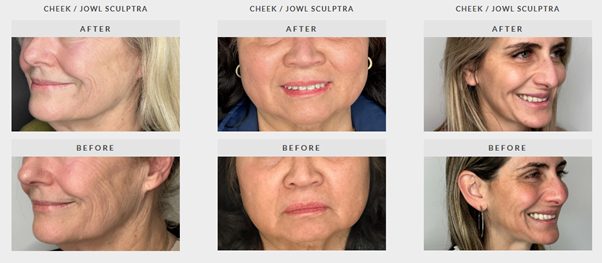
- Dermal fillers are injected to restore volume and support structural balance within facial anatomy.
- Botox for anti-aging treatments is applied conservatively for smoothing of dynamic expression lines.
These medical options improve skin quality while respecting individuality and facial identity.
Myths and Clinical Reality
One widespread belief suggests anti-aging procedures belong only to advanced stages of visible aging. Medical aesthetics supports earlier intervention to slow collagen degradation and structural skin changes. Another misconception assumes treatments create artificial or rigid facial results.
At Forever Young Aesthetics, techniques say proportion, symmetry, and subtle improvement guided by anatomy. Clinical support refreshes appearance without compromising natural expression or movement.
Choosing a Qualified Medical Aesthetic Provider
Provider training and clinical experts directly influence outcomes, safety, and patient satisfaction. Many individuals searching for the best med spa in Seattle value medical oversight and advanced aesthetic technology.
Consultations like facial assessment, skin analysis, and realistic expectation discussions.
This clinical approach supports informed decisions and consistent long-term skin health results.
When to Begin and What Results Feel Like
Starting anti-aging treatment depends on genetics, environmental exposure, and individual skin behavior patterns. Improvements appear gradually through collagen remodeling and improved cellular communication within the skin.
Consistency under professional care supports longevity and balanced aesthetic outcomes.
Clients notice:
- Smoother texture
- Improved tone
- Improved confidence over progressive treatment cycles
Supporting Skin Health Between Treatments
Daily habits influence how well anti-aging procedures perform over time and at different life stages. Medical professionals recommend gentle cleansing, hydration, sun protection, and clinical-grade skincare products.
Healthy nutrition, stress management, and sleep also support cellular repair and collagen synthesis. These foundational practices strengthen results gained through in-clinic aesthetic care.
Conclusion
Forever Young Aesthetics provides science-driven care that supports confidence through anti-aging treatments. Anti-aging procedures are guided by medical experts and improve skin health while respecting the natural field structure.
Frequently Asked Questions About the Anti-Aging Treatments for Every Age:
Q1: At what age should aesthetic treatments begin?
A1: Many adults begin in their 20s or 30s, focusing on prevention and long-term skin support.
Q2: Do medical aesthetic treatments involve downtime?
A2: Most modern treatments involve minimal recovery, with gradual improvements appearing over several weeks.
Q3: How long do results from advanced treatments last?
A3: Through advanced treatments, results depend on the type, skin biology, and the maintenance schedule recommended by professionals.